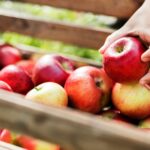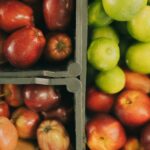

South Carolina ranks second in U.S. fresh-peach production behind California and is a leading East Coast producer. For grocers, restaurants and food-service buyers, that means a long local season with clear peaks. Buying wholesale peaches in South Carolina works best when orders are planned around the harvest calendar, the type of peach coming in, and how the fruit is handled after it leaves the orchard.
This guide covers what South Carolina buyers need to know before peach season, along with the other stone fruits that fill the gaps around it.
South Carolina Peach Season Runs From May Into September
South Carolina’s commercial peach harvest typically starts in mid to late May and runs through August, sometimes stretching into early September in a good year. That gives the state a longer season than most of its Southeastern neighbors. Across the region, the supply moves north as the year goes on: Florida peaches arrive first in late March, Georgia picks up around mid-May, and South Carolina carries the season through late summer.
For buyers, the calendar breaks into three rough windows:
- Early season (May to mid-June): Mostly clingstone peaches, where the flesh holds tightly to the pit. They work well for fresh eating and slicing but are harder to pit cleanly in a kitchen.
- Peak season (July and August): The state’s highest-volume months, when freestone peaches dominate. Freestones release easily from the pit, which makes them a favorite for food service, baking and prep-heavy operations.
- Late season (late August into September): Supply tapers off as the last freestone varieties finish.
South Carolina’s official tourism guide outlines the progression from early clingstone to later freestone varieties. Buyers who need easy-pit fruit for prep should discuss freestone availability with their supplier before scheduling larger orders.
Where South Carolina Peaches Grow
Most of South Carolina’s commercial peaches come from two areas. The Ridge, between the Georgia state line and Columbia, is the state’s largest peach-growing region. The Upstate and Piedmont, around Spartanburg and the I-85 corridor, form another major growing area. Harvest timing varies by region, variety and weather.
Those regional differences matter for Greenville and Upstate buyers. A supplier working across growing regions can help buyers explore alternatives as availability changes.
Weather is the biggest variable. Late spring freezes have wiped out large shares of the early crop in some years, which pushes buyers toward fruit from neighboring states or California and adds cost. Building flexibility into seasonal ordering helps protect a produce program when a freeze hits.
Stone Fruit Supply Other Than Peaches

Photo: Unsplash.com
Peaches anchor the season, but many South Carolina buyers, especially in Greenville and the Upstate, also need a steady stone fruit supply to fill displays and menus. J.J. Jardina’s stone fruit line includes peaches, plums, nectarines and cherries, and availability shifts by variety and season.
Stone fruit buyers should ask a supplier about:
- Nectarines: Their season overlaps with peaches and they handle similarly. They are a natural pairing for retail displays.
- Plums: Useful for extending variety in late summer, with several colors and flavor profiles.
- Cherries: A shorter, earlier window, with demand that spikes quickly in season.
- Off-season supply: Outside summer months, stone fruit availability depends on imports, so ask what is coming in before planning a promotion.
Handling and Cold Chain Make or Break Peach Quality
Peaches are one of the more delicate items in a produce program. They bruise easily, ripen quickly once picked, and lose quality fast when temperatures swing. Good handling starts long before the fruit reaches the store or kitchen.
Peaches hold best near freezing with high humidity. Holding them in the middle range, roughly 36°F to 46°F, for extended periods can cause chilling injury, which shows up as mealy, dry or browning flesh once the fruit ripens. Buyers should ask suppliers how fruit is stored and how quickly it moves from receiving to the truck.
J.J. Jardina keeps produce in its refrigerated warehouse at the Atlanta State Farmers Market, including the receiving and shipping areas. The team checks fruit on arrival, monitors it in storage and checks it again before it leaves. The company also holds PrimusGFS food safety certification and USDA organic handler certification.
Once peaches arrive, a few habits protect the investment:
- Avoid stacking ripe fruit too deep, since weight bruises the bottom layers.
- Ripen firm fruit at room temperature, then move it to cold storage once it reaches the desired softness.
- Rotate stock first in, first out, because ripe peaches have a short shelf life.
How South Carolina Buyers Can Source Wholesale Peaches From Atlanta
Atlanta is a major produce hub for the Southeast, connected to South Carolina’s Upstate via I-85. From the Atlanta State Farmers Market in Forest Park, J.J. Jardina offers several ways for South Carolina businesses to source produce, as outlined on its wholesale produce distribution page for South Carolina:
- Refrigerated delivery: J.J. Jardina’s own refrigerated box trucks and tractor-trailers deliver from Atlanta, and the team arranges refrigerated carriers for orders beyond its own routes. Delivery dates and transport are worked out before the order is placed.
- Market pickup: Buyers can collect at 16 Forest Parkway, Building S, Forest Park, GA, Sunday through Friday from 5 a.m. to 1 p.m. Eastern, using their own truck or carrier.
- Cross-dock: Buyers sourcing from several shippers can ask about cross-dock and consolidated fulfillment to combine products into one shipment.
Because varieties, origins and packs change through the season, the most reliable approach is to talk with the team before peak season about what will be available and when. Buyers comparing suppliers can also use this guide on how to choose a produce distributor to know what to ask.
A Family-Owned Supplier Since 1925
J.J. Jardina has been part of Atlanta’s produce trade since 1925. Four generations later, the company is still family-owned and works directly with buyers, growers and shippers across the Southeast. Learn more about the family behind J.J. Jardina, or start a produce request to plan next season’s peach and stone fruit orders.
FAQs
When Is Peach Season in South Carolina?
South Carolina’s peach season typically runs from mid to late May through August, sometimes extending into early September. July and August are the peak months.
What Is the Difference Between Clingstone and Freestone Peaches?
Clingstone peaches have flesh that holds onto the pit and arrive early in the season. Freestone peaches separate easily from the pit and make up the harvest from mid-season on, which makes them easier for prep and food service.
Where Are Most South Carolina Peaches Grown?
The Ridge and the Upstate/Piedmont are major growing areas. Harvest timing varies by location, variety and weather.
What Stone Fruits Does J.J. Jardina Carry?
J.J. Jardina’s stone fruit line includes peaches, plums, nectarines and cherries. Availability changes by variety and season, so check with the team for current supply.
Does J.J. Jardina Deliver to South Carolina?
J.J. Jardina supplies South Carolina buyers from Atlanta through its refrigerated fleet and carrier arrangements, with transport and delivery timing confirmed for the location and order. Market pickup is another option.
How Should Wholesale Peaches Be Stored?
Peaches hold best near freezing with high humidity. Avoid holding them for long periods between roughly 36°F and 46°F, which can cause mealy or browning flesh.