J.J. Jardina

Wholesale Apples in Chattanooga: Varieties, Seasons, and What Retail Buyers Should Order
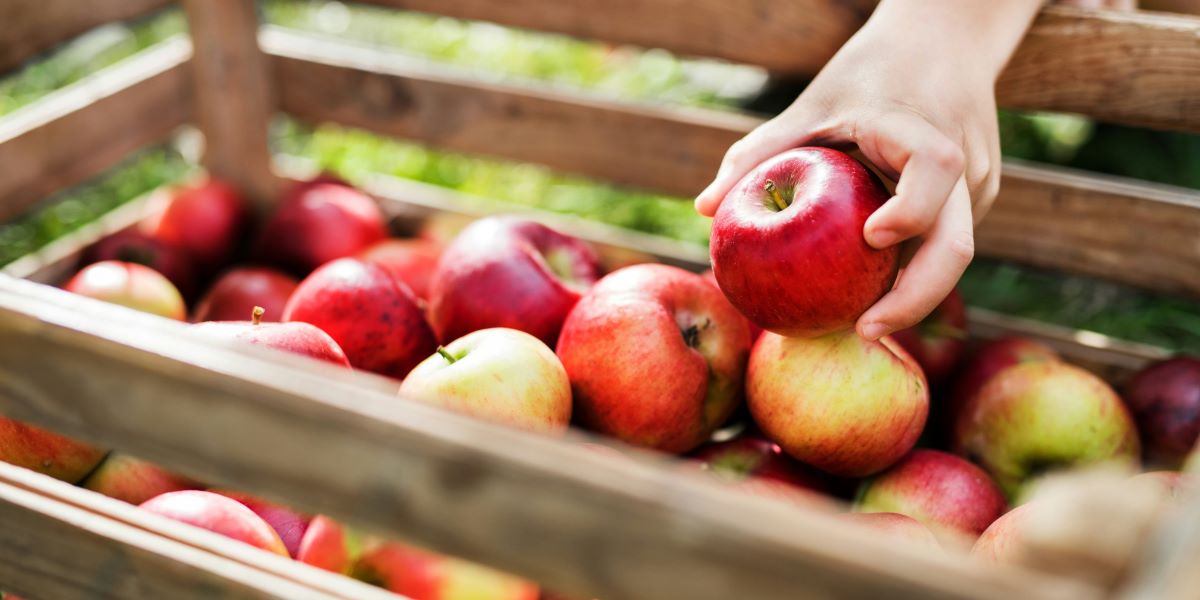
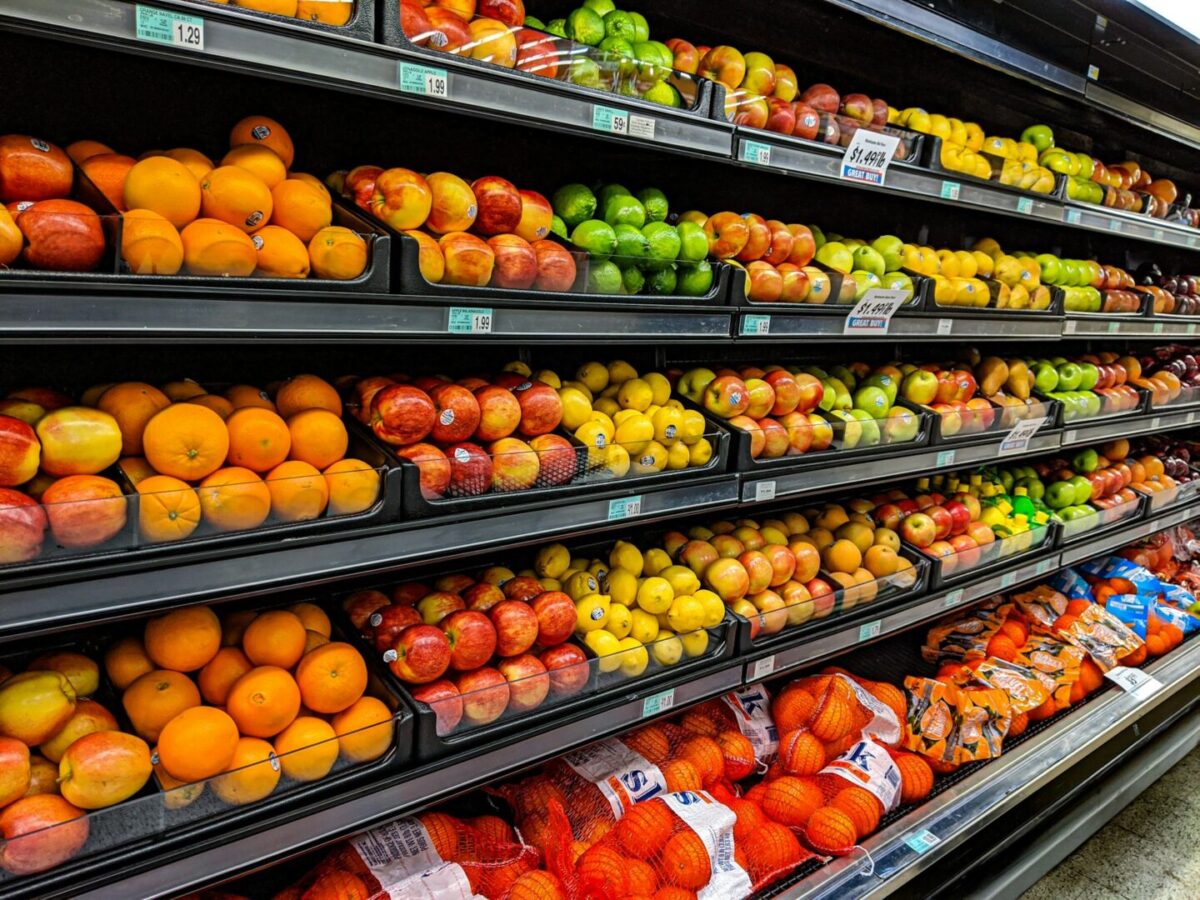
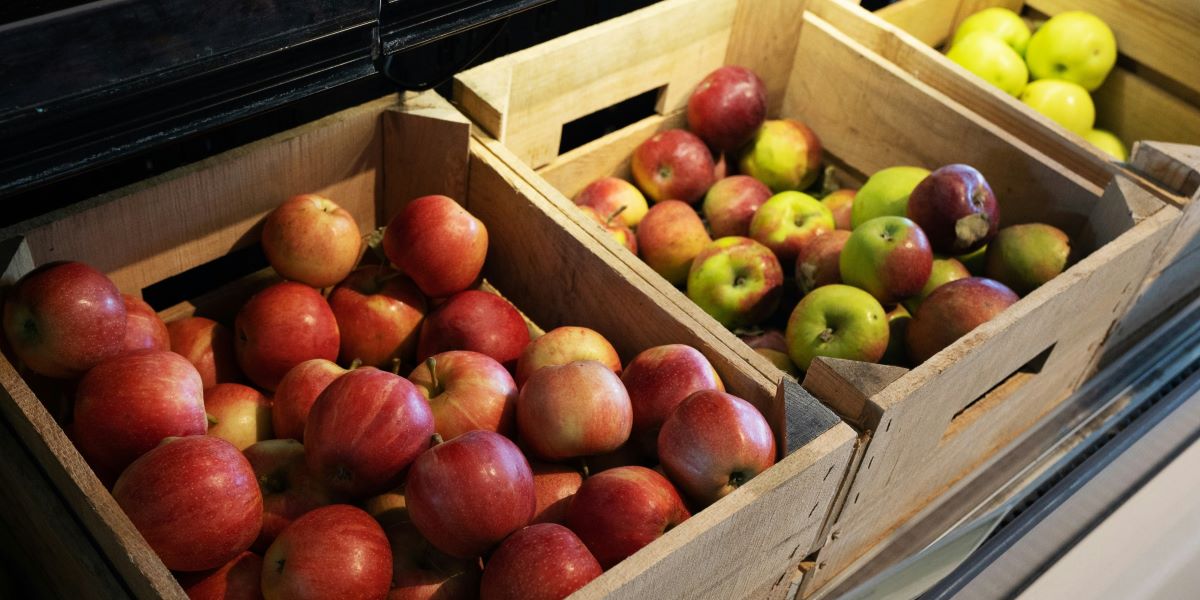
Chattanooga grocers, restaurants, and foodservice buyers purchasing wholesale apples get the most from the category by balancing year-round staples like Gala, Fuji, Honeycrisp, and Granny Smith with seasonal varieties that sell well in fall and winter. Getting the counts and grades right on each order makes sure what arrives matches the display or the menu.

Key Takeaways

  • Domestic apple harvest runs from late summer through fall, and October brings the heaviest flow of new-crop fruit into Tennessee.
  • Controlled-atmosphere storage keeps staple varieties available well into spring and summer, with imported fruit filling late-season gaps.
  • Gala, Fuji, Honeycrisp, and Granny Smith anchor most retail apple sets, while Jazz, Pink Lady, Empire, and Pacific Rose add seasonal variety.
  • Apples are packed by count per carton, and a lower count means larger fruit.
  • J.J. Jardina carries more than 20 apple varieties, including heirloom favorites such as Stayman and Yates.

October Is New-Crop Apple Season for Chattanooga Buyers

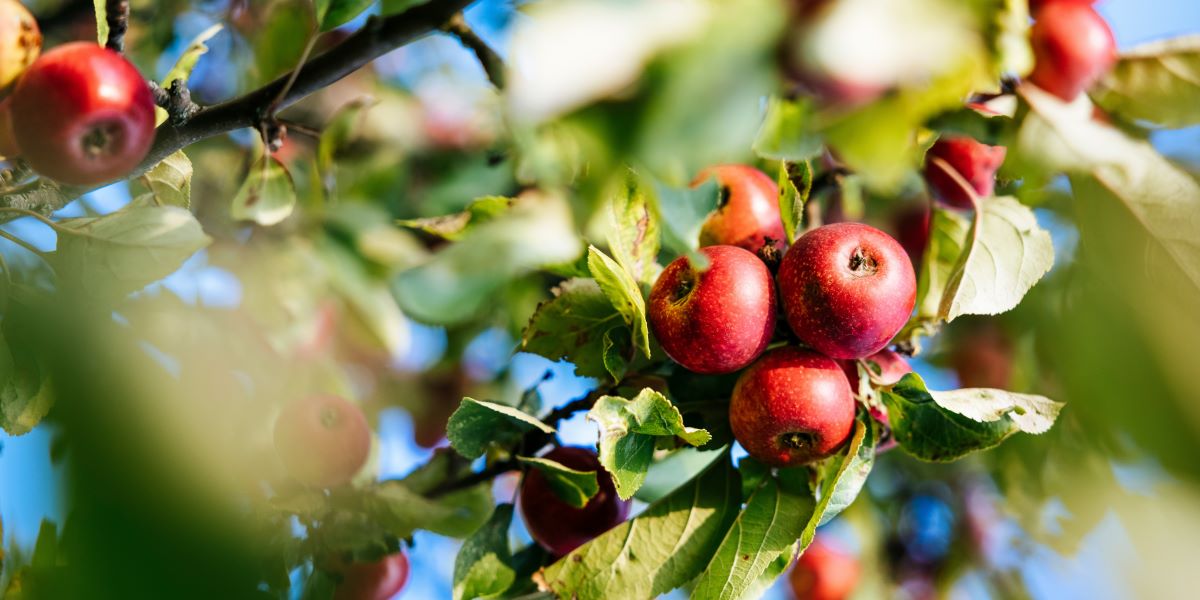
Apple season hits its stride in fall. Early varieties like Gala begin arriving in late summer, and by October the full range of new-crop fruit is moving through the supply chain, from Honeycrisp and Empire to later-harvest varieties such as Fuji, Granny Smith, and Pink Lady. For Chattanooga retailers, this is the time of year when shoppers expect the apple display to be at its fullest and freshest.

Fall also brings strong seasonal demand. Families are baking, schools are packing lunches, and cooler weather puts apples back at the center of the produce department. A wholesale apple supplier in Tennessee that can deliver a wide assortment during this window helps grocers capture that demand instead of settling for a thin set.

How Apple Supply Continues After the Harvest

Unlike many fruits, apples can be stored for months under the right conditions. Growers place much of the fall crop in controlled-atmosphere storage, which slows ripening by managing temperature, oxygen, and carbon dioxide. That fruit is released gradually through winter and spring, keeping staple varieties on shelves long after harvest ends.

By late spring and summer, supply shifts toward the last of the stored domestic fruit and imported apples from the Southern Hemisphere. For Chattanooga buyers, that rotation means apples are never really out of season, but quality, variety, and pricing change as the year moves on.

Staple Apple Varieties Every Chattanooga Grocer Should Carry

These four varieties form the backbone of most retail apple sets and foodservice programs:

  • Gala: Mild, sweet, and crisp, with broad appeal for families and children. One of the earliest varieties of the new crop.
  • Fuji: Very sweet and dense, with a firm crunch. Fuji stores well, which keeps it available through much of the year.
  • Honeycrisp: Known for its explosive crunch and juiciness, Honeycrisp commands a premium price. Its thinner skin bruises more easily, so gentle handling matters.
  • Granny Smith: Tart, firm, and bright green. A top choice for baking and a steady seller for shoppers who prefer a sharper flavor.

Red Delicious, Golden Delicious, and McIntosh round out the traditional core for stores serving shoppers who stick with familiar varieties.

Seasonal Apple Varieties That Add Interest to Fall and Winter Displays

Seasonal varieties give Chattanooga shoppers a reason to try something new and give produce managers a way to refresh the display as the season progresses:

  • Jazz: Dense and crunchy with a tangy-sweet balance, popular with shoppers looking for something between Gala and Granny Smith.
  • Pink Lady: A late-harvest apple with a tart-sweet flavor and a pink blush. It holds its crispness and works well both fresh and in baking.
  • Empire: A crisp, juicy fall apple with a sweet-tart flavor, well suited to snacking and lunchboxes.
  • Pacific Rose: Sweet with low acidity and a rosy color, appealing to shoppers who prefer mild apples.

J.J. Jardina’s seasonal lineup also includes Braeburn, Cameo, Jonagold, Jonathan, Macoun, Cortland, Rome, Sonya, Piñata, and others. Heirloom varieties such as Stayman and Yates carry long followings in the South and can give a Tennessee display a regional touch during fall.

How to Specify Counts for Retail Apple Displays

Apples are packed in cartons by count, meaning the number of apples in each box. A lower count means larger fruit, and a higher count means smaller fruit. Choosing the right count affects price per piece, how the display looks, and who buys the fruit.

  • Larger fruit (lower counts): Suited to premium displays and loose sales by the pound, where a big, attractive apple drives impulse purchases.
  • Medium fruit (mid-range counts): The everyday sweet spot for most grocery sets, balancing appearance and value.
  • Smaller fruit (higher counts): A good fit for value shoppers, bagged apple programs, and families buying for lunchboxes.

Buyers should also specify grade. U.S. grade standards separate fruit by color, shape, and freedom from defects, with higher grades best suited to front-of-display presentation and lower grades working for bagged or value programs.

What Chattanooga Foodservice Buyers Should Order

Foodservice apple buying depends on how the fruit will be used:

  • Hand fruit: Schools, cafeterias, and catering operations often choose smaller counts so each apple works as a single serving.
  • Baking and cooking: Granny Smith, Golden Delicious, Rome, and Jonagold hold their shape and flavor under heat.
  • Salads and cheese boards: Crisp varieties like Honeycrisp, Fuji, and Pink Lady add texture and sweetness.
  • Consistency: Uniform sizing makes portioning, slicing, and plating more predictable in busy kitchens.

Keep Apples Cold and Separate for Longer Shelf Life

Apples continue to ripen after harvest and release ethylene, a natural gas that speeds ripening in nearby produce. Storing apples cold slows that process and keeps them crisp longer. Retailers and kitchens should keep apples refrigerated when possible and store them away from ethylene-sensitive items such as leafy greens.

How J.J. Jardina Supplies Apples to Chattanooga

J.J. Jardina carries a deep apple assortment, from staples like Gala, Fuji, Honeycrisp, and Granny Smith to seasonal and heirloom varieties, sourced from growers around the world and locally when available. The company operates from the Atlanta State Farmers Market in Forest Park, Georgia, roughly two hours south of Chattanooga on Interstate 75, and offers same-day and overnight delivery to customers across the Southeast, including Tennessee.

An in-house inspection team checks fruit before it ships, and cross-dock and freight forwarding services support just-in-time replenishment. J.J. Jardina holds PrimusGFS certification with annual inspections, and is also a certified USDA Organic handler.

Founded in 1925, J.J. Jardina is a fourth-generation, family-owned fruit wholesaler with more than 90 years of grower and shipper relationships. Chattanooga buyers planning fall and winter apple programs can reach the company through its Contact page.

FAQs

When is apple season for wholesale buyers in Chattanooga?

New-crop apples begin arriving in late summer, with the heaviest supply in October. Stored and imported apples keep staple varieties available through the rest of the year.

Which apple varieties sell best in grocery stores?

Gala, Fuji, Honeycrisp, and Granny Smith are dependable sellers in most retail sets. Seasonal varieties like Jazz, Pink Lady, and Empire help refresh displays in fall and winter.

What apple count size should a Chattanooga grocer order?

It depends on the display and price point. Lower counts deliver larger apples for premium displays, while higher counts suit bagged and value programs.

Which apples are best for baking?

Granny Smith, Golden Delicious, Rome, and Jonagold hold their shape and flavor well when baked. Many bakers combine tart and sweet varieties for balance.

Does J.J. Jardina deliver apples to Tennessee?

Yes. J.J. Jardina delivers apples to Chattanooga and the rest of Tennessee from Forest Park, Georgia, with same-day and overnight delivery options.
Scuppernongs, Muscadines, and Table Grapes: Wholesale Grape Buying Guide for Tennessee

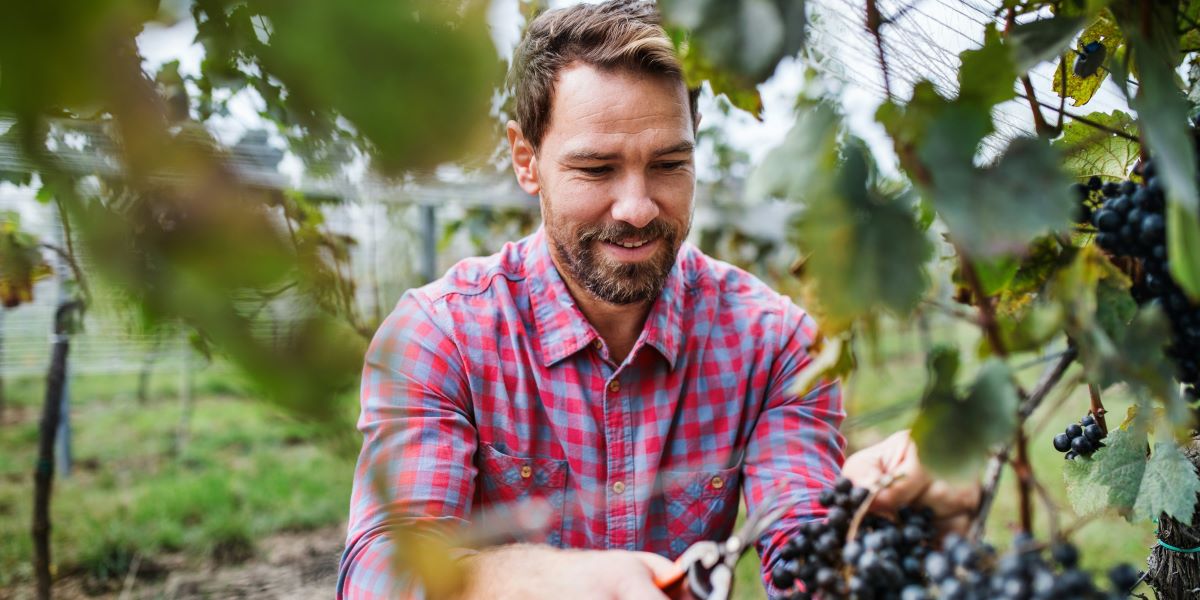
Tennessee grocers and foodservice buyers purchasing wholesale grapes can work with two different products: year-round table grapes and a short late-summer window of Southern muscadines and scuppernongs. Knowing when each is available, how they differ, and how to merchandise them side by side helps buyers get more out of the grape category.

Key Takeaways

  • Muscadines and scuppernongs are grapes native to the Southeast, and their fresh season runs for only a few weeks in late summer and early fall.
  • Scuppernongs are a bronze variety of muscadine, while darker muscadines range from deep purple to nearly black.
  • Table grapes in green, red, black, and globe varieties are available across much of the year through domestic and imported supply.
  • Muscadines are harvested as individual berries rather than full clusters, so they are merchandised and handled differently from table grapes.
  • J.J. Jardina carries green, red, black, and globe table grapes along with locally grown scuppernongs and muscadines.

Muscadines Give Tennessee Grape Displays a Southern Identity

Most grocery grape displays across the country look the same: bags or clamshells of green and red seedless grapes. In Tennessee and the rest of the South, there is another option shoppers recognize. Muscadines and scuppernongs grow naturally in the Southeast, and for many customers they are tied to memories of picking them off backyard vines or roadside stands.

That regional connection gives Tennessee retailers an advantage national chains often overlook. A well-timed muscadine display signals that a store knows its customers. For buyers searching for a muscadine supplier in Tennessee, the challenge is finding a wholesaler that can deliver them during their short window, alongside the table grapes that carry the category the rest of the year.

How Muscadines and Scuppernongs Differ From Table Grapes

Muscadines are a separate grape species from the table grapes most shoppers buy. The differences matter for ordering, handling, and signage.

  • Color: Scuppernongs are bronze to greenish gold. Other muscadines range from dark red to deep purple and nearly black.
  • Size and skin: Muscadines are larger and rounder than most table grapes, with thick skins that slip away from the pulp when squeezed.
  • Seeds: Many muscadine varieties contain seeds, which surprises shoppers used to seedless table grapes.
  • Harvest style: Muscadines ripen unevenly and are typically picked as individual berries rather than full bunches, so they arrive loose instead of on the stem.
  • Flavor: Muscadines have a bold, musky sweetness that is distinct from the milder flavor of table grapes.

Because of those differences, muscadines should not simply be dropped into the same display as table grapes without explanation. A short sign describing the flavor and the thick skin helps first-time buyers try them and brings repeat shoppers back.

The Muscadine Window Is Short, So Timing Matters

Fresh muscadine season in the Southeast is brief. Harvest typically begins in late summer and continues into early fall, with the heaviest supply concentrated over a few weeks. Weather can shift the start and finish by a week or more in either direction.

For Tennessee buyers, that means planning ahead. Retailers who want a muscadine promotion should talk with their wholesale grape supplier before the season starts, confirm expected availability, and schedule ad dates around peak supply. Once the window closes, fresh muscadines disappear until the following year.

Table Grapes Keep the Category Stocked Year-Round

Table grapes fill the category outside the muscadine window. Domestic table grape supply generally runs from early summer through late fall, and imported grapes from the Southern Hemisphere cover much of the winter and spring. That rotation lets a wholesale grape distributor keep Tennessee stores supplied through most of the year.

J.J. Jardina carries four main table grape types:

  • Green grapes: Crisp and mildly sweet, a staple for retail snacking and foodservice fruit cups.
  • Red grapes: The highest-volume seller in many produce departments, valued for color and sweetness.
  • Black grapes: Deeper flavor and a dark color that adds contrast to mixed displays and fruit platters.
  • Globe grapes: Known for large berries, suited to shoppers and kitchens that want a bigger grape.

How Tennessee Grocers Can Merchandise Muscadines and Table Grapes Together

The late-summer overlap between muscadine season and domestic table grape season gives Tennessee grocers a chance to build a fuller grape display. A few practical approaches:

  • Create a Southern grape feature: Place scuppernongs and dark muscadines side by side with signage that explains the difference between them.
  • Use table grapes as the anchor: Keep green and red grapes in their regular spots so everyday shoppers find what they expect, with muscadines positioned nearby as the seasonal highlight.
  • Offer samples: Muscadines win over new customers once tasted. A small sampling setup during peak weeks can move volume quickly.
  • Size packs to turnover: Muscadines have a shorter shelf life than table grapes, so smaller packs and frequent restocking help reduce shrink.
  • Keep everything cold: Both muscadines and table grapes hold quality best under refrigeration, so limit time on ambient display.

What Chattanooga and Tennessee Foodservice Buyers Should Know

Restaurants and foodservice operators buying wholesale grapes in Chattanooga and across Tennessee typically lean on table grapes for consistency. Seedless green and red grapes work well for fruit cups, cheese boards, salads, and breakfast service. During the late-summer window, muscadines can add a regional touch to seasonal menus, desserts, and specials. Kitchens should plan for the seeds and thick skins when building recipes.

How J.J. Jardina Supplies Grapes to Tennessee

J.J. Jardina carries green, red, black, and globe table grapes, along with locally grown scuppernongs and muscadines during their season. The company operates from the Atlanta State Farmers Market in Forest Park, Georgia, roughly two hours south of Chattanooga on Interstate 75, and offers same-day and overnight delivery to customers across the Southeast, including Tennessee.

An in-house inspection team checks fruit before it ships, and cross-dock and freight forwarding services support just-in-time replenishment, which is especially useful for a short-season item like muscadines. J.J. Jardina holds PrimusGFS certification with annual inspections, and is also a certified USDA Organic handler.

As a fourth-generation, family-owned wholesaler serving the Southeast since 1925, J.J. Jardina draws on more than 90 years of grower and shipper relationships. Tennessee buyers planning grape programs can reach the company through its Contact page.


FAQs

What is the difference between a scuppernong and a muscadine?

A scuppernong is a bronze variety of muscadine. All scuppernongs are muscadines, but muscadines also include darker varieties that range from red to deep purple.

When are muscadines in season?

Fresh muscadines are typically available for a few weeks from late summer into early fall. Exact timing varies with weather each year.

Does J.J. Jardina supply muscadines to Tennessee?

Yes. J.J. Jardina carries locally grown scuppernongs and muscadines during their season and delivers to Tennessee customers with same-day and overnight options.

What table grapes does J.J. Jardina carry?

J.J. Jardina carries green, red, black, and globe table grapes. Supply rotates between domestic and imported sources to cover most of the year.

How should muscadines be stored?

Muscadines should be kept refrigerated and sold quickly, since they have a shorter shelf life than table grapes. Smaller packs and frequent restocking help reduce waste.

Buying Wholesale Citrus in Tennessee: Seasonality, Varieties, and Sourcing Tips for Chattanooga Buyers

Chattanooga grocers, restaurants, and foodservice operators buying wholesale citrus get better value when they understand which varieties are in season, how domestic and imported supply overlap, and exactly what to specify on each order. A citrus distributor that carries a full line can keep oranges, mandarins, grapefruit, lemons, and limes flowing to Tennessee year-round.

Key Takeaways

  • Citrus is non-climacteric, meaning it does not continue to ripen after harvest, so quality at the time of shipping is quality at the time of sale.
  • Navel oranges, mandarins, and grapefruit peak in winter, while Valencia oranges and Southern Hemisphere imports carry supply through summer.
  • Lemons and limes are available year-round, which makes them the steadiest citrus items for restaurant and beverage programs.
  • Specifying count size, grade, and pack style on every order prevents mismatches between what arrives and what the menu or display needs.
  • J.J. Jardina supplies citrus in standard wholesale cartons and in consumer-ready 3, 4, 5, and 8 lb bags with labeling and barcode options.

Why Citrus Buying Works Differently From Other Fruit

Many fruits, such as avocados, mangoes, and peaches, can be ripened after harvest. Citrus cannot. Once an orange, lemon, or grapefruit is picked, its sugar and acid levels stay essentially where they were. For a Chattanooga buyer, that changes the priority: the job is not managing ripeness after delivery, but choosing the right variety at the right point in its season and receiving fruit that has been handled well in transit.

That makes the choice of citrus distributor in Chattanooga especially important. A supplier with year-round access to multiple growing regions can shift sourcing as seasons change, so buyers are not stuck with tired end-of-season fruit when a fresher crop is available elsewhere.

The Wholesale Citrus Calendar for Tennessee Buyers

Citrus supply follows a predictable rhythm, with domestic crops leading in the cooler months and imports and late-season varieties filling in when domestic supply thins. Exact timing shifts year to year with weather, but the general pattern holds.

Navel Oranges Lead the Winter Season

Navel oranges are seedless, easy to peel, and a staple of winter retail displays. Domestic navels typically arrive in late fall and run through spring, with peak eating quality in the heart of winter. For Chattanooga grocers, navels anchor the citrus department from the holidays into early spring.

Valencia Oranges Carry Supply Into Summer

As navel season winds down, Valencia oranges take over. Valencias are a juicing and eating orange that typically runs from spring through summer, and imported fruit from the Southern Hemisphere helps extend orange supply during the warmest months.

Mandarins, Clementines, Tangerines, and Minneolas Peak in Winter

Easy-peel mandarins and clementines are strong performers for family shoppers and snack programs, especially in bagged form. Domestic mandarins generally run from late fall into spring, while Minneolas, the bell-shaped tangelo known for its juicy, tangy flavor, typically appear in mid-winter. Imported mandarins fill much of the summer gap.

Grapefruit Is Strongest From Fall Through Spring

White and red grapefruit reach their best quality in the cooler months. Buyers should specify flesh color, since red and white varieties serve different customer preferences, and look for uniform sizing for retail displays.

Lemons and Limes Stay Steady Year-Round

Lemons and limes are the workhorses of the citrus category. Multiple growing regions keep them available every month of the year, which matters for Chattanooga restaurants, bars, and cafés that build menus and beverage programs around a steady supply of both.

What Chattanooga Retailers Should Specify on Citrus Orders

Retail citrus sells on appearance and convenience. When ordering wholesale citrus for a Tennessee grocery store or market, buyers should spell out a few details:

  • Count size: Citrus is packed by count per carton, and a lower count means larger fruit. Match the count to the price point and shopper base.
  • Pack style: Bulk cartons suit loose displays, while bagged citrus suits grab-and-go shoppers. J.J. Jardina offers consumer-ready 3, 4, 5, and 8 lb bags with labeling and barcode options.
  • Variety mix: Pair a winter navel display with mandarins and grapefruit to give shoppers choice without overloading any single item.
  • Color and finish: Specify expectations for peel color and appearance, especially for display-forward items like navels and mandarins.

What Chattanooga Restaurants and Foodservice Buyers Should Specify

For foodservice, consistency matters more than looks. Restaurants and beverage programs should specify:

  • Consistent sizing: Uniform lemons and limes make portioning, garnishing, and juice yield more predictable.
  • Intended use: Juicing, zesting, and garnishing call for different priorities. Tell the distributor how the fruit will be used.
  • Delivery rhythm: Lemons and limes move fast in busy kitchens and bars. Smaller, more frequent orders help keep fruit fresh.
  • Handling expectations: Citrus can suffer from cold injury if stored too cold, so ask how fruit is held before and during transport.

How J.J. Jardina Supplies Citrus to Chattanooga and Tennessee

J.J. Jardina carries a full citrus line, including oranges, navels, clementines, Minneolas, mandarins, tangerines, grapefruit, lemons, and limes. Standard wholesale cartons are available in multiple count and size options, alongside consumer-ready bagged citrus for retail programs.

The company operates from the Atlanta State Farmers Market in Forest Park, Georgia, roughly two hours south of Chattanooga via Interstate 75, and offers same-day and overnight delivery to customers across the Southeast, including Tennessee. An in-house inspection team checks product before it ships, and cross-dock and freight forwarding services support just-in-time replenishment for buyers who prefer smaller, more frequent orders.

J.J. Jardina holds PrimusGFS certification with annual inspections, and is also a certified USDA Organic handler.

Founded in 1925, J.J. Jardina is a fourth-generation, family-owned wholesaler with more than 90 years of grower and shipper relationships, which helps keep citrus supply steady as the season shifts from one region to the next. Chattanooga buyers can reach the company through its Contact page to discuss citrus programs and delivery schedules.


FAQs

When is citrus season for wholesale buyers in Tennessee?

Navel oranges, mandarins, and grapefruit are strongest from late fall through spring. Valencia oranges and imported citrus extend supply through summer, while lemons and limes are available year-round.

Does citrus ripen after delivery?

No. Citrus does not continue to ripen after harvest, so the quality at shipping is the quality buyers receive. Choosing the right variety for the season matters more than ripening on-site.

What citrus does J.J. Jardina carry?

J.J. Jardina carries oranges, navels, clementines, Minneolas, mandarins, tangerines, white and red grapefruit, lemons, and limes. Product is available in wholesale cartons and consumer-ready bags.

What does count size mean on a citrus carton?

Count size is the number of fruit packed in a carton. A lower count means larger individual fruit, and a higher count means smaller fruit.

Can J.J. Jardina deliver citrus to Chattanooga?

Yes. J.J. Jardina serves Chattanooga and the rest of Tennessee from Forest Park, Georgia, with same-day and overnight delivery options.
What Chattanooga Restaurants and Retailers Should Look for in a Produce Distributor

Chattanooga restaurants and retailers choosing a produce distributor should focus on five things: delivery reliability, quality inspection, fruit conditioning, variety depth, and responsiveness. A distributor does not have to be across town to meet those standards. It has to show up on schedule, with fruit that is ready to sell or serve.

Key Takeaways

  • Distance matters less than consistency. A distributor roughly two hours away on I-75 can serve Chattanooga reliably with same-day and overnight delivery options.
  • An in-house inspection team catches quality problems before fruit leaves the warehouse, not after it reaches a Chattanooga kitchen or display.
  • Fruit conditioning for avocados, mangoes, and stone fruit reduces the guesswork of ripening product on-site.
  • Variety depth lets a single wholesale fruit supplier cover different sizes, grades, and seasonal items in one order.
  • Responsiveness, meaning how quickly a distributor fixes a short or a quality issue, often decides whether a supply relationship lasts.

Chattanooga Buyers Do Not Need a Distributor Next Door

When a Chattanooga restaurant or grocer starts looking for a produce distributor, the first instinct is often to search close to home. Proximity feels safer. In practice, what protects a menu or a produce department is not how many miles separate a buyer from a warehouse, but whether the distributor delivers the same quality on the same schedule, week after week.

Chattanooga sits on Interstate 75, about two hours north of Forest Park, Georgia, where J.J. Jardina operates on the grounds of the Atlanta State Farmers Market. That drive puts Chattanooga well within the reach of an Atlanta wholesaler’s regular delivery network. For buyers, it opens up access to a large regional produce hub without giving up dependable service.

Delivery Reliability Comes First

A chef planning a weekend menu or a grocer setting a Friday ad needs product to arrive when promised. Before choosing a produce distributor in Chattanooga, buyers should ask how orders are scheduled, what the delivery windows look like, and what happens when a truck runs late.

J.J. Jardina offers same-day and overnight delivery to customers across the Southeast, including Tennessee. The company also provides cross-dock and freight forwarding services for just-in-time replenishment, which helps Chattanooga operators order closer to real demand instead of overstocking perishables that lose value by the day.

In-House Quality Inspection Protects the Buyer’s Reputation

Every case that reaches a Chattanooga kitchen or sales floor carries the buyer’s name with it. A bruised apple on a display or a mealy peach on a dessert plate reflects on the store or restaurant, not the supplier. That is why inspection before shipping matters.

J.J. Jardina maintains an in-house inspection team to check fruit quality before orders go out. Buyers evaluating any wholesale fruit supplier in Chattanooga should ask who inspects product, at what stage, and how rejected fruit is handled. A distributor that inspects its own inventory is in a stronger position to stand behind what it ships.

Food safety belongs in the same conversation. J.J. Jardina holds PrimusGFS certification with annual inspections, and is also a certified USDA Organic handler for buyers stocking organic fruit.

Fruit Conditioning Takes Ripening Off the Buyer’s Plate

Some fruit is difficult to manage at the store or restaurant level. Avocados that arrive rock-hard cannot go into guacamole that night. Mangoes and stone fruit shipped too green may never reach the flavor a customer expects. Ripening rooms take space, time, and experience that many Chattanooga operators do not have.

J.J. Jardina offers fruit conditioning services for avocados, mangoes, and stone fruit. Conditioning helps product arrive closer to the ripeness a buyer actually needs, which means less waste, fewer customer complaints, and more predictable prep for kitchens.

Variety Depth Reduces the Number of Vendors to Manage

A neighborhood market, a downtown restaurant, and a regional foodservice operator all buy fruit differently. One needs smaller counts for value pricing, another needs uniform sizing for plated dishes, and a third needs volume across many categories. A distributor with shallow inventory forces buyers to split orders across several suppliers.

J.J. Jardina carries a full line of fruit year-round, including dozens of apple and pear varieties, peaches, nectarines, plums, cherries, melons, and tropical fruit such as avocados, mangoes, kiwi, and papaya. Product is sourced from growers around the world and locally when available, and the company stocks multiple sizes and varieties to fit different customer needs. For a Chattanooga buyer, that depth means fewer vendors, fewer invoices, and fewer delivery windows to coordinate.

Responsiveness Separates a Supplier From a Partner

Every produce relationship eventually hits a problem: a short on an order, a quality issue, or a sudden spike in demand. What matters is how fast the distributor responds and how it makes things right. This is often where Chattanooga buyers learn whether a supplier can function like a local partner.

J.J. Jardina has served the Southeast since 1925 and is a fourth-generation, family-owned wholesaler with more than 90 years of grower and shipper relationships. Customers including Whole Foods, Food Depot, and First Class Produce have cited the company’s responsiveness and willingness to go the extra mile. Those long-standing grower ties also help secure supply when markets tighten, which is when buyers feel the difference most.

A Quick Checklist for Evaluating a Produce Distributor in Chattanooga

  • Delivery: Are same-day and overnight options available, and how are delivery windows set for Chattanooga?
  • Inspection: Does the distributor run its own quality inspection before shipping?
  • Conditioning: Can avocados, mangoes, and stone fruit arrive at usable ripeness?
  • Variety: Can one supplier cover the sizes, grades, and seasonal items the business needs?
  • Food safety: What certifications are current, and how often are they audited?
  • Responsiveness: Who answers the phone when something goes wrong, and how quickly?

Chattanooga restaurants and retailers interested in discussing delivery schedules and product needs can reach J.J. Jardina through the company’s Contact page.

FAQs

Does J.J. Jardina serve Chattanooga?

Yes. J.J. Jardina serves customers in Chattanooga and across Tennessee from its facility at the Atlanta State Farmers Market in Forest Park, Georgia, with same-day and overnight delivery options.
How far is J.J. Jardina from Chattanooga?

J.J. Jardina is roughly two hours south of Chattanooga via Interstate 75. The route keeps Chattanooga within the company’s regular Southeast delivery network.

What is fruit conditioning?

Fruit conditioning is the controlled ripening of fruit before delivery. J.J. Jardina offers conditioning for avocados, mangoes, and stone fruit so buyers receive product closer to usable ripeness.

Can a Chattanooga restaurant order smaller, more frequent deliveries?

J.J. Jardina offers cross-dock and freight forwarding services built for just-in-time replenishment. Buyers can discuss order frequency and delivery windows when opening an account.

What kinds of businesses work with J.J. Jardina?

J.J. Jardina works with retail operators, independent grocers, restaurants, foodservice distributors, and wholesalers. Its customers range from single stores to regional chains.

How Tennessee Grocers and Foodservice Buyers Source Wholesale Produce From Atlanta

`Tennessee grocers, restaurant groups, and foodservice distributors do not need a produce warehouse in their own city to get consistent, high-quality fruit. Many work with a wholesale produce distributor in Atlanta that delivers into Tennessee same-day or overnight, drawing on the supply depth of the Atlanta State Farmers Market in Forest Park, Georgia.

Key Takeaways

  • J.J. Jardina operates from the Atlanta State Farmers Market in Forest Park, Georgia, about 10 miles south of Atlanta, and delivers same-day and overnight to customers in Tennessee.
  • The I-75 corridor connects Atlanta directly to Chattanooga and Knoxville, and I-24 extends that route toward Nashville.
  • Cross-dock and freight forwarding services support just-in-time replenishment, so Tennessee buyers can order closer to demand.
  • A full-line fruit wholesaler carries dozens of apple and pear varieties plus melons, stone fruit, and tropicals, which reduces the number of suppliers a buyer has to manage.
  • An in-house inspection team and fruit conditioning for avocados, mangoes, and stone fruit help product arrive ready for the shelf or the kitchen.

Why Tennessee Buyers Look Beyond Their Own City for a Produce Wholesaler

Every Tennessee produce buyer eventually weighs the same tradeoff: stay with the closest supplier, or reach toward a larger market with deeper inventory. A local produce wholesaler in Tennessee may be convenient, but convenience does not always mean the right variety in the right size at the right time. When a grocer needs a specific apple count, a steady supply of ripe avocados, or a stone fruit program that holds through the whole summer, depth of inventory starts to matter more than distance.

That is where Atlanta comes in. The Atlanta State Farmers Market is one of the major produce hubs in the Southeast, and wholesalers based there buy from growers and shippers across the country and around the world. For a Tennessee buyer, working with a distributor at the market means access to that supply without having to travel to it.

The I-75 Corridor Puts Atlanta Within Reach of Tennessee Markets

Geography does much of the work. Interstate 75 runs north from Atlanta straight through Chattanooga and on to Knoxville, and Interstate 24 connects Chattanooga to Nashville. For a truck leaving Forest Park, East Tennessee is a short regional run rather than a long-haul trip, and Middle Tennessee sits within a practical overnight window.

J.J. Jardina offers same-day and overnight delivery to customers across the Southeast, including Tennessee, Georgia, Alabama, Florida, North Carolina, and South Carolina. For Tennessee buyers, that means ordering on a schedule that fits how their stores and kitchens actually move product, instead of stocking up heavily and hoping it sells before it breaks down.

Cross-Dock and Freight Forwarding Support Just-in-Time Replenishment

Fruit is a perishable, and every extra day it sits in a back room costs quality and margin. That is why replenishment speed matters as much as price. J.J. Jardina provides cross-dock and freight forwarding services designed for just-in-time product replenishment, which lets Tennessee customers order closer to real demand.

For an independent grocer, that can mean smaller, more frequent orders that keep displays fresh and cut shrink. For a foodservice distributor in Tennessee, it can mean consolidating fruit from a single Atlanta source into existing routes rather than coordinating multiple vendors. Either way, the goal is the same: less product sitting idle and more product reaching the customer at its peak.

A Full-Line Fruit Supplier Simplifies Tennessee Purchasing

Working with a fruit supplier that serves Tennessee from a full line reduces the number of vendors a buyer has to manage. J.J. Jardina carries a wide range of fruit throughout the year, sourced from growers worldwide and locally when available:

  • Apples: Red Delicious, Fuji, Gala, Golden, Granny Smith, Honeycrisp, Pink Lady, Jazz, and many seasonal varieties such as Braeburn, Empire, and Pacific Rose.
  • Pears: Bartlett, Bosc, D’Anjou, Red, and Comice, plus seasonal options like Forelle, Asian, and Seckel.
  • Stone fruit: Yellow and white peaches, yellow and white nectarines, plums, pluots, apricots, and cherries.
  • Melons: Cantaloupe and honeydew, plus specialty melons when available.
  • Tropicals: Avocados, mangoes, kiwi, papaya, pomegranates, and cactus pears.

Variety depth matters because Tennessee customers are not all buying the same thing. A neighborhood grocer in Chattanooga may need smaller counts for value shoppers, a restaurant group in Knoxville may want consistent sizing for menu items, and a Nashville foodservice distributor may need volume across several categories at once. A wholesaler that carries many sizes and varieties can fill those different needs from one order.

Quality Control Starts Before the Truck Leaves Forest Park

Distance only works if the fruit arrives in good condition. J.J. Jardina uses an in-house inspection team to check product before it ships, and offers fruit conditioning for avocados, mangoes, and stone fruit so that Tennessee buyers receive fruit closer to ready-to-sell or ready-to-use ripeness.

Food safety is part of the same process. J.J. Jardina holds PrimusGFS certification with annual inspections. The company is also a certified USDA Organic handler, which supports Tennessee retailers building organic sections.

Four Generations of Grower Relationships Stand Behind Every Order

J.J. Jardina has served the Southeast since 1925 and is now a fourth-generation, family-owned fruit wholesaler. More than 90 years of direct relationships with growers and shippers give the company access to consistent supply when markets tighten, which is when those relationships matter most to a buyer.

Customers such as Whole Foods, Food Depot, and First Class Produce have publicly pointed to J.J. Jardina’s responsiveness and service. For a Tennessee operator deciding whether an Atlanta supplier can act like a local partner, that track record carries weight.

What Tennessee Buyers Should Ask Before Choosing a Wholesale Produce Distributor

Before committing to any wholesale produce distributor in Tennessee or the surrounding region, buyers should ask a few practical questions:

  • What delivery windows are available to my location, and how are orders scheduled?
  • Can the distributor support smaller, more frequent orders for just-in-time replenishment?
  • How deep is the inventory across the sizes and varieties my customers buy?
  • What quality inspection and food safety certifications are in place?
  • Does the distributor offer ripening or conditioning for fruit like avocados and stone fruit?

Tennessee buyers interested in opening a wholesale account can reach J.J. Jardina through the company’s Contact page to discuss delivery schedules and product needs.

FAQs

Does J.J. Jardina deliver wholesale produce to Tennessee?

Yes. J.J. Jardina offers same-day and overnight delivery to customers in Tennessee from its facility at the Atlanta State Farmers Market in Forest Park, Georgia.

Where is J.J. Jardina located?

J.J. Jardina is located on the grounds of the Atlanta State Farmers Market in Forest Park, Georgia, about 10 miles south of Atlanta. The company serves Tennessee and other Southeast states from that location.

What types of Tennessee customers does J.J. Jardina serve?

J.J. Jardina works with retail operators, independent grocers, foodservice distributors, and wholesalers. Its services include cross-dock and freight forwarding for just-in-time replenishment.

What fruit does a full-line wholesale supplier carry?

J.J. Jardina carries apples, pears, stone fruit, melons, and tropical fruit such as avocados, mangoes, and kiwi. Many varieties and sizes are available throughout the year.

Is J.J. Jardina food safety certified?

Yes. J.J. Jardina holds PrimusGFS certification with annual inspections and is a certified USDA Organic handler.

Wholesale Apples in Birmingham AL: Varieties, Availability, and Year-Round Supply From J.J. Jardina Company

J.J. Jardina Company distributes more than 20 wholesale apple varieties to Birmingham, Alabama, from the Atlanta State Farmers Market in Forest Park, Georgia. Apples are the core of the J.J. Jardina product line and have been since the company started distributing fresh fruit in 1925. Birmingham grocery retailers, food service distributors, independent grocers, and wholesale resellers can source year-round apple supply through a single distributor with direct grower and shipper relationships spanning more than nine decades, PrimusGFS food safety certification, USDA organic handler certification, and a fully refrigerated warehouse designed to store apples at their specific temperature and humidity requirements.

Key Takeaways

  • J.J. Jardina Company carries 20+ wholesale apple varieties for Birmingham buyers, sourced from Washington, New York, Michigan, Georgia, and international growing regions
  • Year-round apple availability is maintained through a combination of domestic harvest cycles and controlled atmosphere storage
  • The Forest Park facility connects to Birmingham via the I-20 corridor, supporting same-day and next-day delivery
  • Apple storage is separated by variety and temperature profile to protect texture, flavor, and shelf life through delivery
  • Birmingham accounts include grocery retailers, food service distributors, independent grocers, and wholesale resellers

Apple Varieties Available for Birmingham Wholesale Accounts

J.J. Jardina Company maintains one of the broadest wholesale apple catalogs available to Birmingham buyers. The variety lineup is built around what retail produce departments, restaurant kitchens, school food service programs, and reseller accounts actually move in volume, supplemented by seasonal and specialty varieties that give buyers flexibility during peak apple months.

Year-round staples:

  • Gala
  • Fuji
  • Granny Smith
  • Red Delicious
  • Golden Delicious
  • Honeycrisp
  • Pink Lady

Seasonal and specialty varieties:

  • Jazz
  • Braeburn
  • Cameo
  • Macoun
  • Empire
  • Jonagold
  • Macintosh
  • Rome
  • Stayman
  • Cortland
  • Sonya
  • Pacific Rose
  • Pinata
  • Jonathan

Variety availability shifts throughout the year as different growing regions cycle through harvest. J.J. Jardina Company’s sourcing relationships across multiple domestic and international apple-producing regions allow the company to keep Birmingham accounts supplied with their core varieties without gaps, while also offering limited-availability options during peak fall harvest months when consumer interest in apples is highest.

Where Wholesale Apples for Birmingham Are Sourced

Apples reaching Birmingham through J.J. Jardina Company originate from several major growing regions, each contributing different varieties and seasonal windows to the year-round supply chain.

Washington State is the largest apple-producing state in the country and the primary source for year-round varieties like Gala, Fuji, Granny Smith, Honeycrisp, and Red Delicious. Washington growers use controlled atmosphere (CA) storage, which slows the ripening process by regulating oxygen, carbon dioxide, and temperature levels inside sealed rooms. CA storage is what makes it possible for Birmingham buyers to receive crisp, firm Honeycrisp apples in March from fruit harvested the previous September.

New York State produces the second-largest apple crop in the country and is a key source for varieties like Empire, Macoun, Cortland, Macintosh, and Jonagold. New York harvest typically runs from mid-August through early November, and the state’s proximity to East Coast distribution channels means shorter transit times for fresh-crop fruit during fall months.

Michigan, Pennsylvania, and Virginia contribute additional volume during domestic harvest season, particularly for processing-grade and dual-purpose varieties that serve both fresh retail and food service accounts.

North Georgia produces apples from mid-August through mid-October, with Gilmer and Fannin counties accounting for more than 85% of the state’s apple crop. Georgia-grown varieties include Red Delicious, Golden Delicious, Rome Beauty, Fuji, Granny Smith, and Stayman Winesap. For Birmingham buyers interested in regional sourcing, Georgia-grown apples travel a shorter distance to the Atlanta State Farmers Market than fruit from any other producing state.

International sources including Chile, New Zealand, and South Africa fill gaps in domestic supply during late spring and early summer, when Northern Hemisphere storage inventories thin out and the new domestic crop has not yet started. This counter-seasonal sourcing is what allows J.J. Jardina Company to maintain uninterrupted apple supply to Birmingham accounts twelve months a year.

How Apple Storage Protects Quality for Birmingham Delivery

Apples are not a store-everything-together product. Different varieties require different temperature ranges, and the wrong storage conditions produce problems that Birmingham produce managers notice immediately at receiving.

Here is what proper apple storage looks like at the wholesale level:

  • Temperature separation. Most apple varieties store optimally between 30 and 36 degrees Fahrenheit, but the specific range varies. Honeycrisp, for example, is prone to chilling injury below 33 degrees. Fuji and Gala hold well at 31 to 32 degrees. Storing varieties together at a single temperature means at least some of them are outside their ideal range.
  • Humidity control. Apples need high relative humidity (90 to 95%) to prevent skin shriveling and weight loss. A warehouse that runs dry air to accommodate other product categories will degrade apple quality over time.
  • Ethylene management. Apples produce ethylene gas as they ripen. In a mixed cooler, that ethylene accelerates ripening in other produce categories stored nearby. Proper apple storage isolates ethylene-producing fruit from ethylene-sensitive items.

J.J. Jardina Company’s Forest Park warehouse operates with full refrigeration across all zones and separates product categories by their specific storage requirements. For Birmingham accounts receiving weekly apple deliveries, that storage discipline translates into longer shelf life at the retail display or in the food service walk-in.

What Birmingham Apple Buyers Should Consider When Choosing a Wholesale Supplier

Not every wholesale produce distributor treats apples as a specialty category. For Birmingham buyers who move significant apple volume, there are a few factors that separate a reliable apple supplier from a distributor that simply has apples on the truck alongside everything else.

  1. Variety depth. A distributor carrying five or six apple varieties limits what a Birmingham retailer can offer in the produce department or what a food service operation can do with seasonal menus. J.J. Jardina Company’s 20+ variety lineup gives buyers options without needing to source from multiple suppliers.
  2. Year-round consistency. Apples are a 12-month product in the retail environment, but supply requires active management across domestic harvest, CA storage, and counter-seasonal imports. A distributor with grower relationships in multiple regions can maintain supply continuity. A distributor relying on spot-market purchasing cannot.
  3. Cold chain integrity. The distance between Forest Park and Birmingham is short enough for same-day delivery, but the condition of the apple when it leaves the warehouse matters more than how quickly the truck arrives. Proper storage before loading is what determines whether the Birmingham buyer receives fruit with three weeks of remaining shelf life or three days.
  4. Grading consistency. Retail and food service accounts have different grading expectations. A grocery retailer needs uniform size, color, and finish for display. A food service account may accept broader grading parameters if the eating quality is there. J.J. Jardina Company works with Birmingham buyers to match grading specifications to each account’s requirements.

How Birmingham Accounts Order Wholesale Apples From J.J. Jardina Company

Birmingham buyers can order wholesale apples through J.J. Jardina Company as part of a broader produce program or as a standalone apple account. The ordering process is built around the buyer’s specific needs:

Grocery retailers typically set standing weekly apple orders covering their core varieties (Gala, Fuji, Honeycrisp, Granny Smith) and add seasonal varieties during fall months when consumer demand peaks and promotional opportunities are strongest.

Food service distributors consolidate apple purchasing alongside other fruit and produce categories, reducing the number of vendor invoices and deliveries they manage. For Birmingham food service accounts supplying schools, hospitals, hotels, or restaurant groups, apple orders can be built into the regular delivery cadence without requiring a separate shipment.

Independent grocers benefit from flexible order sizing. J.J. Jardina Company does not require rigid minimum volumes that lock smaller operators into more product than they can turn before quality declines.

Wholesale resellers and brokers can access J.J. Jardina Company’s full apple inventory for redistribution through their own Birmingham area customer networks, with the sourcing depth of the Atlanta State Farmers Market behind every order.

FAQs

What Apple Varieties Can Birmingham Buyers Get From J.J. Jardina Company?

J.J. Jardina Company carries more than 20 apple varieties including Gala, Fuji, Granny Smith, Red Delicious, Golden Delicious, Honeycrisp, Pink Lady, Jazz, Braeburn, Cameo, Macoun, Empire, Jonagold, Rome, Macintosh, and seasonal selections. Availability shifts throughout the year as domestic and international harvest cycles rotate.

Are Wholesale Apples Available Year-Round for Birmingham Delivery?

J.J. Jardina Company maintains year-round apple supply through a combination of domestic harvest from Washington, New York, Michigan, and Georgia, controlled atmosphere storage that extends post-harvest availability, and counter-seasonal imports from Chile, New Zealand, and South Africa during late spring and early summer.

Does J.J. Jardina Company Carry Organic Apples for Birmingham Buyers?

J.J. Jardina Company holds USDA organic handler certification, which authorizes the facility to receive, store, and distribute certified organic produce while maintaining the chain-of-custody documentation that Birmingham retailers need for organic labeling compliance.

How Does a Birmingham Business Order Wholesale Apples?

Birmingham retail, food service, and wholesale accounts can contact J.J. Jardina Company at 404-366-6868 or through the contact page at jjjardina.com to set up apple orders as part of a broader produce program or as a standalone account.

Wholesale Produce Distributor for Birmingham AL Restaurants, Retailers, and Resellers

J.J. Jardina Company is a fourth-generation wholesale produce distributor supplying Birmingham, Alabama, from the Atlanta State Farmers Market in Forest Park, Georgia. The facility sits roughly 150 miles east of Birmingham along the I-20 corridor, placing it within a same-day delivery window for grocery retailers, food service distributors, independent grocers, and wholesale resellers across the Birmingham metro and surrounding markets.

J.J. Jardina Company has distributed fresh fruit and vegetables from the Forest Park facility since 1925 and holds both PrimusGFS food safety certification and USDA organic handler certification, meeting the supplier documentation standards that Birmingham area buyers typically require during vendor qualification.

Key Takeaways

  • J.J. Jardina Company supplies wholesale produce to Birmingham AL from the Atlanta State Farmers Market, one of the largest terminal markets in the country
  • The I-20 corridor connects the Forest Park facility to Birmingham directly, supporting same-day and next-day delivery
  • The product line covers 20+ apple varieties, pears, stone fruit, citrus, grapes, berries, tropical fruit, avocados, and vegetables sourced year-round
  • Services include wholesale distribution, cross-dock operations, and freight forwarding
  • J.J. Jardina Company holds PrimusGFS and USDA organic handler certifications

Why Birmingham Produce Buyers Source From the Atlanta Terminal Market

The Atlanta State Farmers Market in Forest Park covers 150 acres, operates around the clock for truck deliveries, and functions as the primary consolidation and redistribution hub for fresh produce moving across the Southeast. The Georgia Department of Agriculture manages the facility, which draws between 3,500 and 4,000 buyers and visitors daily.

For Birmingham produce buyers, that matters for three reasons:

  1. Product concentration. The Atlanta terminal market aggregates fruit and vegetables from California, Florida, Mexico, Chile, and regional Georgia growers into a single location. A Birmingham buyer sourcing from J.J. Jardina Company gains access to that full inventory without managing separate relationships with individual growers or regional brokers across multiple states.
  2. Delivery speed. A truck leaving the Atlanta State Farmers Market in the early morning hours arrives in the Birmingham metro before midday. Product picked and packed earlier that week reaches a Birmingham loading dock with minimal lag between the distributor’s cooler and the buyer’s receiving area.
  3. Order flexibility. J.J. Jardina Company’s cross-dock and freight forwarding operations consolidate orders for Birmingham accounts onto outbound loads timed to each buyer’s delivery schedule, not the distributor’s fixed truck routes.

Birmingham Metro Areas Served

J.J. Jardina Company supplies wholesale produce accounts across the greater Birmingham market, including:

  • Birmingham
  • Hoover
  • Vestavia Hills
  • Homewood
  • Bessemer
  • Tuscaloosa
  • Anniston
  • Gadsden

Montgomery, Huntsville, and the Tennessee Valley are also reachable through the I-85, I-65, and I-59 corridors from the Forest Park facility.

Product Line for Birmingham Wholesale Accounts

J.J. Jardina Company carries a year-round catalog of fresh fruits and vegetables built for the volume and variety that Birmingham retail produce departments, restaurant kitchens, and wholesale resellers require.

Apples (20+ varieties):
Red Delicious, Fuji, Gala, Golden, Granny Smith, Honeycrisp, Pink Lady, Jazz, Braeburn, Cameo, Macoun, Empire, and seasonal selections

Pears:
Bartlett, Bosc, D’Anjou, Red, Comice, Forelle, French Butter, Asian

Stone Fruit (seasonal rotation):
Plums, pluots, yellow and white nectarines, yellow and white peaches, apricots, cherries

Tropical and Specialty:
Citrus, grapes, berries, avocados, kiwi, mango, papaya, pomegranates

Vegetables:
Full vegetable program available for accounts that want to consolidate purchasing through a single wholesale partner

For Birmingham retailers running promotional cycles on seasonal fruit or food service operators building menus around weekly availability, J.J. Jardina Company’s sourcing relationships with growers and shippers across multiple regions provide the flexibility to adjust orders without long lead times or rigid minimum volume commitments.

How the Cold Chain Protects Product Quality to Birmingham

The J.J. Jardina Company warehouse in Forest Park operates with full refrigeration across all zones. The facility separates product categories by their specific temperature and humidity requirements rather than storing everything in a single cooler.

Why that matters for Birmingham buyers:

  • Apples and pears store at different ranges than stone fruit
  • Tropical items like mangoes and papayas require warmer conditions than citrus
  • Holding mixed categories together leads to shortened shelf life, premature ripening, and texture breakdown
  • Birmingham produce managers and food service receiving teams notice these quality issues immediately

The cross-dock model adds another layer of freshness protection:

  1. Inbound loads arrive at the Forest Park facility from growers and shippers
  2. Product is broken down and consolidated with other items on a Birmingham-bound order
  3. The consolidated order is staged for departure without sitting in extended warehouse storage
  4. The Birmingham buyer receives product with a shorter window between the terminal market and their dock

For Birmingham food service distributors running daily or every-other-day delivery routes, that tighter turnaround translates directly into longer shelf life at the end-user level.

How Birmingham Accounts Work With J.J. Jardina Company

J.J. Jardina Company structures its service model around the specific needs of each account type:

Grocery Retailers (single or multi-location):

  • Standing weekly orders with adjustments for seasonal availability and promotional cycles
  • Store-level demand flexibility so individual locations get what they need
  • Consistent grading and packaging across deliveries

Food Service Distributors:

  • Consolidated fruit and produce purchasing through a single supplier
  • Fewer invoices and deliveries to manage on the procurement side
  • Scheduling aligned to the distributor’s own route calendar

Independent Grocers:

  • Flexible order sizes without rigid volume minimums
  • Access to the same product depth that larger chain accounts receive
  • Direct communication with the J.J. Jardina team on availability and pricing

Wholesale Resellers and Brokers:

  • Access to J.J. Jardina Company’s terminal market inventory for redistribution
  • Sourcing depth that standalone warehouse operations outside the terminal system do not match
  • Daily product turnover at the Atlanta State Farmers Market keeps options fresh

The onboarding process starts with a conversation about volume, delivery cadence, product mix, and any packaging or grading specifications the buyer’s operation requires.


FAQs

Does J.J. Jardina Company Deliver to Birmingham Alabama?

J.J. Jardina Company supplies wholesale produce to Birmingham and the surrounding metro from the Atlanta State Farmers Market in Forest Park, Georgia. The I-20 corridor connects the two cities directly, supporting same-day and next-day delivery.

What Types of Birmingham Businesses Does J.J. Jardina Company Supply?

J.J. Jardina Company serves grocery retailers, independent grocers, food service distributors, institutional buyers, and wholesale resellers in the Birmingham area. Each account type receives a service structure tailored to its ordering frequency, volume, and delivery logistics.

What Produce Does J.J. Jardina Company Carry for Birmingham Buyers?

The product line includes over 20 apple varieties, multiple pear and stone fruit varieties, citrus, grapes, berries, tropical fruits, avocados, and vegetables. Products are sourced year-round from domestic and international growers through relationships the company has maintained for over 90 years.

How Does a Birmingham Business Open a Wholesale Account?

Birmingham buyers can contact J.J. Jardina Company at 404-366-6868 or through the contact page at jjjardina.com to discuss volume, delivery schedules, product needs, and any certification or documentation requirements.

Wholesale Produce Distributor Serving Alabama From the Atlanta State Farmers Market

J.J. Jardina Company is a fourth-generation wholesale produce distributor operating from Building S at the Atlanta State Farmers Market in Forest Park, Georgia, supplying grocery retailers, independent grocers, food service distributors, and wholesale resellers across the Southeast, including Alabama and the greater Birmingham metro. The company has distributed fresh fruit and vegetables from the Forest Park facility since 1925, with PrimusGFS food safety certification, USDA organic handler certification, a fully refrigerated warehouse, and direct sourcing relationships with growers and shippers spanning more than nine decades. For Alabama produce buyers evaluating wholesale partners, J.J. Jardina Company delivers from a facility positioned on one of the largest terminal markets in the country, with freight routes that reach Birmingham, Montgomery, Huntsville, and points across the state through the I-20 and I-65 corridors.

Key Takeaways

  • J.J. Jardina Company operates from the Atlanta State Farmers Market, a 150-acre wholesale terminal that serves as a primary distribution hub for fresh produce throughout the Southeast, including Alabama.
  • The facility is located roughly 150 miles east of Birmingham along the I-20 corridor, allowing for same-day and next-day delivery across Alabama’s metro and regional markets.
  • J.J. Jardina Company holds PrimusGFS food safety certification and USDA organic handler certification.
  • The product line includes apples, pears, stone fruit, citrus, grapes, berries, tropical fruit, avocados, and vegetables sourced from domestic and international growers year-round.
  • Services include wholesale distribution, cross-dock operations, and freight forwarding for retail, food service, and reseller accounts.

Why Alabama Produce Buyers Source From the Atlanta State Farmers Market

The Atlanta State Farmers Market in Forest Park covers 150 acres and operates 24 hours a day, seven days a week for truck deliveries. Managed by the Georgia Department of Agriculture, the market has functioned as the primary distribution point for fresh produce across the Southeast since it opened in 1959. The facility draws between 3,500 and 4,000 buyers and visitors daily, and the wholesale distributors operating on-site service a footprint that extends from the Carolinas through north Florida and west into Alabama and Tennessee.

For a produce supplier in Alabama, whether a grocery chain buyer in Birmingham, an independent grocer in Tuscaloosa, or a food service operator in Mobile, sourcing from the Atlanta terminal market offers access to a concentration of product that no single Alabama-based warehouse replicates. The market functions as a consolidation point where fruit and vegetables from California, Florida, Mexico, Chile, and regional Georgia growers converge under one roof. J.J. Jardina Company has operated within that ecosystem for a century, maintaining the sourcing depth and inventory rotation that Alabama buyers depend on for consistent year-round supply.

The I-20 corridor connects Forest Park to Birmingham in under three hours. Montgomery is accessible via I-85 and I-65. Huntsville and the Tennessee Valley reach the supply chain through I-75 north to Chattanooga and I-59 west. J.J. Jardina Company’s cross-dock and freight forwarding capabilities allow Alabama accounts to receive consolidated orders on schedules built around their delivery windows rather than around the distributor’s truck routes.

Product Line for Alabama Wholesale Fruit and Produce Accounts

J.J. Jardina Company carries a full line of fresh fruits and vegetables sourced from domestic and international growers. The product mix is built around the demands of retail produce departments, food service kitchens, and wholesale resellers who need variety, consistent grading, and uninterrupted supply across seasons.

The fruit program includes more than 20 apple varieties: Red Delicious, Fuji, Gala, Golden, Granny Smith, Honeycrisp, Pink Lady, Jazz, and seasonal selections like Braeburn, Cameo, and Macoun, among others. Pear offerings cover Bartlett, Bosc, D’Anjou, Red, Comice, and specialty varieties including Forelle, French Butter, and Asian pears. Stone fruit availability rotates through plums, pluots, yellow and white nectarines, yellow and white peaches, apricots, and cherries. Citrus, grapes, berries, avocados, kiwi, mango, papaya, pomegranates, and other tropical items round out a catalog that Alabama fruit distributors and retail buyers can order against year-round.

The vegetable program supplements the fruit catalog for accounts that need a single-source wholesale partner. For Alabama buyers building produce programs across multiple categories, the ability to consolidate orders through one distributor reduces freight costs, simplifies receiving, and cuts the number of vendor relationships that purchasing teams have to manage week over week.

PrimusGFS and USDA Organic Certification for Alabama Retail and Food Service Compliance

Alabama grocery chains, food service operations, and institutional buyers increasingly require documented food safety credentials from their wholesale produce suppliers. J.J. Jardina Company holds PrimusGFS certification, a Global Food Safety Initiative (GFSI)-benchmarked audit that covers the facility’s receiving, storage, handling, and shipping operations. PrimusGFS audits are conducted annually by independent, accredited third-party auditors and evaluate everything from temperature monitoring and sanitation protocols to pest management, traceability systems, and employee hygiene practices.

For Alabama buyers whose procurement policies require GFSI-recognized certification from every supplier in the chain, PrimusGFS satisfies that requirement without additional qualification steps. The certification is particularly relevant for food service distributors and institutional accounts like school districts, hospitals, and corporate dining operations, where supply chain documentation is reviewed as part of vendor onboarding and annual compliance audits.

J.J. Jardina Company also holds USDA organic handler certification, which authorizes the facility to receive, store, and distribute certified organic produce without breaking the chain of custody. Alabama retailers expanding their organic produce departments can source organic fruit through J.J. Jardina Company with the documentation needed to maintain organic labeling compliance at the store level. The organic handler certification covers the facility’s segregation protocols, lot tracking, and storage procedures that prevent commingling between conventional and organic inventory.

Cold Chain Infrastructure and Warehouse Operations

The J.J. Jardina Company warehouse in Forest Park operates with full refrigeration across all zones. For Alabama wholesale produce accounts, the cold chain question is not whether a distributor has cooler space. Nearly every wholesale operation does. The question is whether the facility maintains temperature integrity from receiving dock to outbound loading without interruption, and whether it separates product categories by their specific storage requirements rather than holding everything in a single cooler.

J.J. Jardina Company’s facility is designed to handle that separation. Different fruit categories require different temperature and humidity profiles. Apples and pears hold at different ranges than stone fruit. Tropical items like mangoes and papayas require warmer storage than citrus. Storing all of these products in a single refrigerated zone leads to quality deterioration that shows up as shortened shelf life, premature ripening, or texture breakdown. These are problems that Alabama retail produce managers and food service receiving teams identify immediately and trace back to the distributor.

The warehouse layout supports the company’s cross-dock operations, where inbound loads from growers and shippers are broken down, consolidated with other products on an Alabama-bound order, and staged for outbound delivery without extended warehousing. For fruit wholesaler accounts in Alabama that operate on tight delivery windows, particularly food service distributors running daily or every-other-day routes, the cross-dock model reduces the time between harvest and final delivery point.

How Alabama Wholesale Produce Accounts Work With J.J. Jardina Company

J.J. Jardina Company services Alabama wholesale accounts through a direct ordering and fulfillment process built around each buyer’s volume, delivery schedule, and product mix. The company’s customer base includes retail grocery operators, independent grocers, food service distributors, and wholesale resellers. Each account type carries different requirements for order frequency, packaging specifications, grading standards, and delivery logistics, and the company structures its service model around those differences rather than applying a one-size-fits-all approach.

For Alabama grocery retailers operating multiple store locations, J.J. Jardina Company can build standing orders with weekly adjustments based on seasonal availability, promotional cycles, and store-level demand. For food service distributors headquartered in Alabama and supplying restaurants, hotels, and institutional kitchens, the company offers consolidated orders that reduce the number of separate deliveries and invoicing relationships the distributor has to manage on the procurement side.

Wholesale resellers and produce brokers operating in Alabama can access J.J. Jardina Company’s inventory for redistribution through their own customer networks. The company’s position on the Atlanta State Farmers Market, where product from dozens of growing regions is received and consolidated daily, provides reseller accounts with sourcing flexibility that standalone warehouse operations outside the terminal market system cannot replicate at the same scale.

FAQs

Does J.J. Jardina Company Deliver to Alabama?

J.J. Jardina Company supplies wholesale produce accounts across the Southeast, including Alabama. The company’s facility at the Atlanta State Farmers Market in Forest Park, Georgia, is connected to Alabama’s major metros through the I-20 and I-65 corridors, supporting same-day and next-day delivery to Birmingham, Montgomery, Huntsville, and surrounding markets.

What Certifications Does J.J. Jardina Company Hold?

J.J. Jardina Company holds PrimusGFS food safety certification, a GFSI-benchmarked audit standard that covers receiving, storage, handling, and shipping. The company also holds USDA organic handler certification, which authorizes the facility to receive, store, and distribute certified organic produce while maintaining chain-of-custody documentation.

What Products Does J.J. Jardina Company Distribute?

The product line includes more than 20 apple varieties, multiple pear varieties, stone fruits, citrus, grapes, berries, tropical fruits, avocados, and vegetables. Products are sourced year-round from domestic and international growers and shippers through relationships the company has maintained for over 90 years.

How Do Alabama Buyers Open a Wholesale Account With J.J. Jardina Company?

Alabama retail, food service, and wholesale reseller accounts can contact J.J. Jardina Company directly at 404-366-6868 or through the contact page at jjjardina.com to discuss volume requirements, delivery logistics, and product specifications.

What to Look for in a Refrigerated Produce Warehouse in Atlanta

A refrigerated produce warehouse is not a single capability. It is a set of infrastructure decisions that determine whether fresh fruit and vegetables maintain their quality, shelf life, and food safety integrity between the grower’s cold chain and the buyer’s receiving dock. For wholesale produce buyers in the Atlanta market, evaluating a distributor’s warehouse goes beyond confirming that the building has coolers.

Key Takeaways

  • Temperature-separated storage zones maintain each produce category at its specific handling requirements, preserving shelf life that a single-cooler warehouse cannot match.
  • Dock-to-dock cold chain continuity means temperature control holds from inbound receiving through order staging and outbound loading, with no gaps in between.
  • A warehouse located at the Atlanta State Farmers Market operates within a 24/7 terminal market infrastructure with concentrated inbound freight and direct interstate access.
  • PrimusGFS certification and USDA organic handler certification reflect facility-level audit standards that cover storage, handling, sanitation, and traceability.
  • Cross-dock capability at the warehouse level allows buyers to consolidate loads from multiple origins into a single delivery, reducing receiving complexity.

Why “Refrigerated” Is Not a Single Standard

The phrase “refrigerated warehouse” covers a wide range of facility setups. At one end, a building with a single walk-in cooler set to a general temperature. At the other, a facility with multiple climate zones, each calibrated to the produce category stored inside. The difference between those two setups shows up directly in the product a buyer receives.

Fresh produce is not a uniform commodity when it comes to temperature. Berries require storage in the low 30s Fahrenheit. Citrus holds in the mid-to-upper 40s. Tropical items like mangoes and papayas are cold-sensitive and need warmer storage in the 50s to avoid chilling injury. Apples store differently from stone fruit. Leafy greens require different humidity levels than root vegetables.

A warehouse that stores all of those categories in the same cooler is making a compromise on every product inside it. The temperature is either right for one category and wrong for another, or it sits at a midpoint that shortchanges all of them. The result is accelerated ripening on some items, chilling damage on others, and a shorter remaining shelf life by the time the product reaches the buyer. For grocery retailers managing shrink and for food service operations planning around product usability, that shelf life difference is a direct cost.

Temperature-separated zones eliminate the compromise. Each category moves through storage conditions built around its specific handling requirements. Citrus stays in a citrus-appropriate zone. Berries stay in a berry-appropriate zone. Tropical items never share space with products that require near-freezing storage. The result is product that arrives at the buyer’s dock with more remaining shelf life than the same product stored in a general-purpose cooler.

Dock-to-Dock Cold Chain Is Where Most Gaps Occur

A warehouse can maintain proper zone temperatures inside its storage areas and still break the cold chain during the transitions between those areas. The most common gaps occur at three points: inbound receiving, order staging and assembly, and outbound loading.

At the receiving dock, inbound pallets from growers or shippers sit on the dock while they are checked in, inspected, and assigned to a storage zone. If the dock is not temperature-controlled, or if the check-in process takes longer than it should, the product warms before it ever enters the cooler. The same problem occurs on the outbound side. Orders are pulled from storage zones, assembled onto pallets for the buyer’s delivery, and staged for loading. If the staging area is ambient temperature, the cold chain breaks during assembly. Loading onto a refrigerated truck restores the temperature, but the damage to remaining shelf life has already occurred.

Buyers evaluating a refrigerated produce warehouse should ask specifically about these transition points. A well-designed facility maintains temperature control from the moment a truck backs into the receiving dock to the moment an outbound truck pulls away from the shipping dock. That continuity is what “cold chain integrity” actually means in practice, and it is the standard that third-party food safety audits like PrimusGFS evaluate.

How Terminal Market Location Strengthens Warehouse Operations

The Atlanta State Farmers Market in Forest Park, Georgia, is a 150-acre terminal market managed by the Georgia Department of Agriculture. It operates 24 hours a day, seven days a week for truck deliveries. For a refrigerated produce warehouse located on the market grounds, that infrastructure provides operational advantages that a standalone warehouse in an industrial park does not.

Terminal markets concentrate inbound freight. Growers and shippers delivering to the Atlanta market are already routing trucks to a single destination that serves multiple wholesale operations. A warehouse on the market grounds receives that freight directly, without the additional miles or transit time required to route deliveries to a secondary location. That shorter last-mile path reduces the time between a truck leaving a growing region’s cold chain and product entering the warehouse’s cold chain.

The market’s location along the Interstate 75 and Interstate 675 corridors places it within a freight network that reaches distribution points across Georgia, Alabama, Tennessee, South Carolina, North Carolina, and Florida. For outbound shipments, the geographic positioning means shorter transit times to buyers across the Southeast, which translates to product arriving fresher and with more usable shelf life.

The 24/7 operating schedule matters as well. A warehouse constrained by facility hours or market gate schedules has to compress all receiving and shipping into a narrower window. A warehouse operating within a market that never closes can receive inbound loads overnight, stage orders during off-peak hours, and schedule outbound deliveries to match the buyer’s preferred receiving window rather than forcing the buyer to adapt to the warehouse’s schedule.

Certifications Reflect the Warehouse’s Operational Standards

A refrigerated warehouse’s infrastructure is only as reliable as the operating procedures and accountability systems that govern it. Third-party certifications provide an independent verification of those systems.

PrimusGFS certification, benchmarked by the Global Food Safety Initiative, audits the full scope of warehouse operations: receiving procedures, storage practices, temperature monitoring and recording, sanitation protocols, pest management, traceability systems, and corrective action procedures. A warehouse holding PrimusGFS certification has been evaluated by an accredited third-party auditor, not just self-assessed against internal standards. For buyers whose own customers require supply chain food safety documentation, a PrimusGFS-certified warehouse supplier removes a compliance gap rather than creating one.

USDA organic handler certification applies specifically to warehouses that receive, store, and distribute USDA-certified organic produce. The certification confirms that the facility follows the handling and segregation protocols required to maintain organic chain of custody. An organic product that passes through a non-certified warehouse loses its organic status, regardless of how it was grown. Buyers sourcing organic for their own customers need to confirm this certification at the warehouse level, not assume it based on the distributor’s product list.

Cross-Dock Capability Adds Logistics Flexibility

A refrigerated produce warehouse with cross-dock capability can receive inbound product from multiple origins and consolidate it into a single outbound delivery matched to the buyer’s order. For buyers who source across multiple produce categories or from multiple growing regions, this means fewer individual deliveries arriving at their own facility.

The cross-dock process works within the warehouse’s cold chain infrastructure. Inbound product arrives, is received and checked into the system, and moves either into storage or directly to the staging area for assembly into an outbound order. The warehouse handles the consolidation, the cold chain, and the outbound scheduling. The buyer receives one delivery instead of three or four, which simplifies receiving labor, dock scheduling, and inventory processing.

Freight forwarding extends the same principle. Product routed through the warehouse on its way to a final destination elsewhere in the Southeast moves through the facility’s cold chain without the buyer having to manage a separate logistics operation. For businesses that distribute from their own location to multiple endpoints, this capability turns the warehouse into a regional staging hub rather than just a product source.

Frequently Asked Questions

What Is the Difference Between a Refrigerated Warehouse and a Temperature-Zoned Warehouse?

A refrigerated warehouse uses general cooling to maintain product below a target temperature. A temperature-zoned warehouse separates storage areas by produce category, with each zone calibrated to the specific temperature and humidity requirements of the products stored inside. Zoned storage preserves more shelf life because it eliminates the compromises inherent in single-temperature cooling.

How Does Cold Chain Break During Warehouse Operations?

The most common cold chain gaps occur at the receiving dock, during order assembly and staging, and at the outbound loading dock. If any of these areas are not temperature-controlled, product warms during the transition between the truck and the storage zone or between the storage zone and the outbound truck, reducing remaining shelf life.

Why Does Terminal Market Location Matter for a Produce Warehouse?

Terminal markets concentrate inbound freight from multiple growing regions, operate on extended or 24/7 schedules, and are typically positioned near major interstate corridors. A warehouse located on a terminal market receives product faster, has more scheduling flexibility, and sits within a freight network that supports shorter transit times to buyers across the region.

What Certifications Should a Refrigerated Produce Warehouse Hold?

PrimusGFS certification provides third-party verification of food safety practices across the full warehouse operation. USDA organic handler certification is required for any warehouse that stores and distributes certified organic produce. Both certifications are audited by independent, accredited bodies.

How to Choose a Produce Distributor for Your Business

Choosing a wholesale produce distributor affects product quality, shelf life, food safety compliance, and the consistency of supply that a business depends on to serve its customers. The decision involves more than price per case. It requires evaluating how a distributor sources, stores, handles, and delivers fresh produce, and whether that operation can hold up across seasons, supply disruptions, and growth.

Key Takeaways

  • Food safety certifications like PrimusGFS signal that a distributor meets the audit standards major retailers and food service operations require.
  • Cold chain integrity depends on temperature-separated warehouse zones, not just general refrigeration.
  • Sourcing depth determines whether a distributor can maintain consistent product availability during seasonal transitions.
  • Geographic positioning and logistics infrastructure affect delivery reliability, lead times, and freight costs.
  • A distributor’s track record with businesses similar in size and type to the buyer’s operation is a more useful reference than general reputation alone.

Start with Food Safety Certifications, Not Product Lists

The first question to ask any produce distributor is which third-party food safety certifications the facility holds. Certifications matter because they represent an independent audit of the distributor’s handling practices, traceability systems, sanitation protocols, and corrective action procedures. A distributor that has never submitted to a third-party audit is asking buyers to take operational claims on faith.

PrimusGFS is one of the standards benchmarked by the Global Food Safety Initiative and is widely accepted by grocery retailers and food service operations across the Southeast and nationally. A distributor holding PrimusGFS certification has been audited on everything from receiving procedures to temperature monitoring to pest management. For buyers whose own customers require supply chain food safety documentation, working with a PrimusGFS-certified distributor simplifies the compliance chain rather than creating a gap in it.

If a business sources organic produce, the distributor should also hold USDA organic handler certification. This is not optional. A distributor without organic handler status cannot legally maintain the organic chain of custody, which means product that arrives certified organic loses that status the moment it enters a non-certified facility. Buyers who sell organic produce to their own customers need to verify this certification before placing a first order, not after a compliance question surfaces downstream.

Evaluate the Cold Chain, Not Just the Cooler

Nearly every wholesale produce operation has refrigeration. That alone does not indicate cold chain integrity. The question buyers should ask is whether the facility separates product categories by their specific temperature requirements or stores everything in a single cooled environment.

Different produce categories have different optimal storage temperatures. Berries, leafy greens, stone fruit, citrus, apples, and tropical items each have distinct handling requirements. A distributor that stores citrus at the same temperature as berries is compromising shelf life on one or both products. A facility with temperature-separated zones, where each category moves through storage conditions calibrated to its needs, delivers product to the buyer in measurably better condition than a single-cooler operation.

Buyers should also ask about dock-to-dock cold chain continuity. That means temperature control from the moment inbound product arrives at the distributor’s receiving dock to the moment outbound product leaves the shipping dock. If there is a gap, even a short one, during staging, order assembly, or loading, the cold chain breaks. The product may look fine on arrival, but its remaining shelf life has already been shortened.

Assess Sourcing Depth, Not Just Current Availability

A distributor’s product list on any given day tells a buyer what is in stock right now. It does not tell the buyer what will be in stock during the shoulder seasons when domestic supply transitions between growing regions, or during weather disruptions that affect a single origin.

Sourcing depth refers to the number and diversity of grower and shipper relationships a distributor maintains. A distributor with deep sourcing can shift between origins when supply from one region tightens, maintaining product availability without forcing the buyer to scramble for an alternate supplier. A distributor with shallow sourcing, even one that offers competitive pricing during peak season, becomes a liability during the transition periods when supply chain reliability matters most.

Buyers should ask how long the distributor has maintained its primary grower relationships, whether sourcing includes both domestic and international origins, and how the distributor handles seasonal transitions for its core product categories. The answers reveal whether consistent availability is built into the operation or whether it depends on favorable market conditions that may not hold.

Consider Geographic Position and Logistics Infrastructure

Where a distributor operates from affects delivery speed, freight cost, and the flexibility of the buyer’s ordering and receiving schedule. A facility located on or near a major interstate corridor with access to regional freight routes offers shorter lead times and more delivery window options than a facility that requires secondary road routing.

Terminal market locations offer additional advantages. Distributors operating from a state or regional terminal market benefit from the concentration of inbound freight that the market attracts, which can translate into more frequent receiving schedules, access to product from a wider range of origins, and the ability to stage orders and consolidate loads for outbound delivery.

Buyers should also ask whether the distributor offers cross-dock or freight forwarding services. Cross-docking allows a buyer to consolidate product from multiple origins into a single delivery, reducing the number of receiving events at the buyer’s own facility. For businesses managing tight labor and dock schedules, this capability is a practical differentiator rather than a luxury.

Match the Distributor to the Business Type

Not every produce distributor serves every type of account equally well. Some distributors are structured around high-volume retail replenishment. Others specialize in food service. Others focus on wholesale reseller accounts. A distributor that excels at supplying a 40-store grocery chain may not be the right fit for a single-unit restaurant operation, and the reverse is also true.

Buyers should ask the distributor what types of accounts make up the core of their business, what order minimums apply, and whether the distributor has experience serving businesses of similar size and type. A reference from a comparable operation is more useful than a general testimonial, because it confirms that the distributor’s logistics, minimums, product mix, and service model align with what the buyer actually needs.

The length of a distributor’s track record in the market is relevant here as well. A company that has operated through multiple economic cycles, supply disruptions, and shifts in buyer demand has demonstrated a level of operational resilience that a newer entrant has not yet been tested on. That history does not guarantee future performance, but it narrows the risk for a buyer making a long-term sourcing decision.

Ask the Right Questions Before Placing a First Order

Before committing to a new produce distributor, a buyer should be able to answer the following based on direct conversation with the distributor’s team:

What third-party food safety certifications does the facility hold, and when was the most recent audit? Does the facility maintain temperature-separated storage zones for different produce categories? How many grower and shipper relationships does the distributor maintain, and across how many growing regions? What is the minimum order size, and does the distributor serve businesses of this type and scale? What delivery schedule options are available, and does the distributor offer cross-dock or consolidation services? If the buyer sources organic, does the distributor hold USDA organic handler certification?

The answers to these questions separate distributors that can meet a buyer’s requirements from those that will create supply chain risk over time. A produce distributor is not a vendor that a business switches casually. The right choice at the outset avoids the cost and disruption of switching later.

Frequently Asked Questions

What Is the Most Important Certification to Look for in a Produce Distributor?

PrimusGFS is one of the most widely accepted food safety certifications for produce distributors. It is benchmarked by the Global Food Safety Initiative and covers facility operations, handling, traceability, and corrective action. Buyers sourcing organic produce should also verify that the distributor holds USDA organic handler certification.

How Can a Buyer Verify a Distributor’s Cold Chain Practices?

Buyers should ask whether the facility uses temperature-separated storage zones for different produce categories, and whether cold chain continuity is maintained from receiving dock to shipping dock. A facility tour, if available, is the most direct way to verify these practices firsthand.

Why Does Sourcing Depth Matter When Choosing a Distributor?

Sourcing depth determines whether a distributor can maintain consistent product availability during seasonal transitions and supply disruptions. A distributor with diverse grower relationships across multiple domestic and international origins is less likely to experience gaps that force the buyer to find backup supply on short notice.

Should a Buyer Choose a Distributor Based on Price Alone?

Price per case matters, but it is one variable in a larger equation that includes shelf life, shrink rate, delivery reliability, food safety compliance, and order flexibility. A lower per-case price from a distributor with weaker cold chain or shallower sourcing often costs more over time through higher shrink and inconsistent supply.

Wholesale Produce Supplier for Grocery Stores Across the Southeast

J.J. Jardina Company is a fourth-generation wholesale produce supplier based at the Atlanta State Farmers Market in Forest Park, Georgia, providing fresh fruit and vegetables to grocery stores, independent grocers, and retail chains across the Southeast since 1925.

Key Takeaways

  • J.J. Jardina Company supplies grocery retailers across Georgia and five neighboring Southeast states from a fully refrigerated facility at the Atlanta State Farmers Market.
  • The company holds PrimusGFS food safety certification and USDA organic handler certification, meeting the vendor compliance standards that grocery chains require.
  • Direct sourcing relationships with growers and shippers spanning more than nine decades ensure year-round product availability across a full line of fresh fruit and vegetables.
  • Cold chain integrity is maintained through temperature-separated warehouse zones, not a single-cooler operation.
  • J.J. Jardina Company offers cross-dock and freight forwarding services, giving grocery buyers flexibility in how product reaches their stores.

What Grocery Store Buyers Need from a Wholesale Produce Supplier

Grocery retailers evaluating wholesale produce suppliers are not just comparing price per case. The decision involves food safety compliance, delivery consistency, product variety, cold chain reliability, and whether the supplier can scale with seasonal demand without gaps in availability. A missed delivery or a load that arrives with broken cold chain affects shelf quality, shrink rates, and the repeat traffic that a strong produce department generates.

J.J. Jardina Company operates with that reality as the baseline. The company’s warehouse at the Atlanta State Farmers Market maintains full refrigeration across all zones, with product categories separated by their specific temperature requirements. Citrus, stone fruit, berries, apples, and tropical items each move through storage conditions calibrated to their handling needs rather than sitting together in a general cooler. For grocery buyers, that separation translates directly into longer shelf life and lower shrink once the product reaches the retail floor.

Food Safety Certifications That Meet Retail Vendor Requirements

Grocery chains and multi-store independent retailers increasingly require their produce suppliers to hold recognized third-party food safety certifications. J.J. Jardina Company carries PrimusGFS certification, a Global Food Safety Initiative benchmarked standard that covers facility operations, handling practices, traceability, and corrective action protocols. PrimusGFS is one of the certifications that major grocery retailers across the Southeast accept as part of their vendor qualification process.

J.J. Jardina Company also holds USDA organic handler certification, which means the facility is authorized to receive, store, and distribute USDA-certified organic produce without breaking the organic chain of custody. For grocery stores that carry organic lines, working with a supplier who holds this certification eliminates the compliance risk of sourcing organic product through a non-certified intermediary. The organic and conventional lines operate under the same food safety infrastructure but follow the distinct handling protocols that USDA organic standards require.

Year-Round Product Availability Through Direct Grower Relationships

J.J. Jardina Company sources fresh produce from growers and shippers across domestic growing regions and international origins, with sourcing relationships that in many cases span decades. The product line covers a full range of categories that grocery produce departments require throughout the year: apples in more than 20 varieties, pears, citrus, grapes, berries, stone fruit including peaches, nectarines, plums and cherries, and tropical items including mangoes, avocados, kiwi, and papaya. Vegetables round out the catalog for buyers who need a consolidated supplier rather than managing multiple vendor relationships across categories.

The depth of the grower network matters most during seasonal transitions, when supply from one region winds down and another ramps up. A wholesale produce supplier with shallow sourcing will show gaps during those windows. J.J. Jardina Company’s sourcing model, built over four generations and more than nine decades, is structured to maintain continuity across those transitions so that grocery store buyers receive consistent product flow without having to chase backup suppliers during shoulder seasons.

Location and Logistics Built for Southeast Distribution

J.J. Jardina Company operates from Building S at the Atlanta State Farmers Market, a 150-acre terminal market managed by the Georgia Department of Agriculture in Forest Park, Georgia. The market sits approximately 10 miles south of downtown Atlanta with direct access to Interstate 75 and Interstate 675, placing it within a freight corridor that reaches grocery distribution points across Georgia, Alabama, Tennessee, South Carolina, North Carolina, and Florida.

The Atlanta State Farmers Market operates 24 hours a day, seven days a week for truck deliveries, which means J.J. Jardina Company can receive inbound loads and stage outbound orders on a schedule that aligns with grocery store delivery windows rather than being constrained by facility hours. The company also offers cross-dock and freight forwarding services, allowing grocery buyers to consolidate loads or route product through the Forest Park facility on its way to final delivery points across the region.

For grocery retailers that source from multiple suppliers, the cross-dock capability reduces the number of individual deliveries a store or distribution center has to receive. Product from different origins consolidates at J.J. Jardina Company’s facility and ships as a single load, simplifying receiving logistics on the retail side.

A Georgia Grown Partner with a Century of Wholesale Produce Experience

J.J. Jardina Company is a Georgia Grown member, connecting the company to the state’s network of agricultural producers and the consumer demand for locally sourced product. When Georgia-grown produce is in season, J.J. Jardina Company sources locally and can identify that origin for grocery retailers who merchandise local and regional products as part of their produce department strategy.

Four generations of the Jardina family have operated the business from the Atlanta State Farmers Market, building the grower relationships, retail partnerships, and facility infrastructure that the company runs on today. For grocery store buyers evaluating a wholesale produce supplier, the length of that track record is not sentimental. It is an indicator of financial stability, sourcing depth, and the operational consistency that comes from a company that has supplied retail produce departments through every kind of market condition for a century.

Frequently Asked Questions

What Certifications Does J.J. Jardina Company Hold?

J.J. Jardina Company holds PrimusGFS food safety certification, a GFSI-benchmarked standard accepted by major grocery retailers, and USDA organic handler certification, which authorizes the facility to receive, store, and distribute certified organic produce.

What Products Does J.J. Jardina Company Supply?

The company distributes a full line of fresh fruit and vegetables, including apples, pears, citrus, grapes, berries, stone fruit, tropical items such as mangoes and avocados, and a range of vegetable categories. Products are sourced from domestic and international growers year-round.

What States Does J.J. Jardina Company Serve?

J.J. Jardina Company distributes across Georgia and five neighboring Southeast states from its facility at the Atlanta State Farmers Market in Forest Park, Georgia, with access to I-75 and I-675 for regional freight routing.

Does J.J. Jardina Company Offer Cross-Dock Services?

J.J. Jardina Company offers cross-dock and freight forwarding services from its Forest Park facility, allowing grocery buyers to consolidate loads from multiple origins into a single delivery.

What Atlanta Buyers Should Know When Sourcing Organic Produce From a Wholesale Distributor

Organic produce is the top-selling category in the U.S. organic food market, accounting for more than $22 billion in annual sales and representing 15 percent of all fruit and vegetable purchases nationwide. For restaurants, grocery stores, institutional kitchens, and retailers across the Atlanta metro area, the decision to source organic produce starts with choosing a wholesale distributor that can maintain the integrity of that organic designation from the moment product leaves the farm to the moment it reaches the buyer’s receiving dock. That chain of custody is not a marketing concept. It is a federal compliance requirement governed by the USDA National Organic Program, and the regulatory framework was substantially strengthened in 2024 under the Strengthening Organic Enforcement rule. J.J. Jardina Company, a fourth-generation wholesale produce distributor at the Atlanta State Farmers Market in Forest Park, Georgia, holds USDA Organic handler certification, meaning every step of the company’s handling, storage, and distribution process has been verified by a USDA-accredited certifying agent.

Key Takeaways

  • Under the USDA’s Strengthening Organic Enforcement rule, which took full effect in March 2024, most wholesale distributors that handle organic produce must hold USDA Organic handler certification, closing a loophole that previously allowed uncertified brokers and traders to operate in organic supply chains.
  • A certified organic handler must maintain documented organic system plans, submit to annual inspections, prevent commingling of organic and non-organic products, and maintain full traceability records including clean truck affidavits, bills of lading, and lot-level audit trail documentation.
  • Restaurants and retailers that market products as “organic” on menus and shelf labels are responsible for verifying that their supply chain maintains unbroken organic chain of custody from farm through distribution.
  • J.J. Jardina Company holds USDA Organic handler certification alongside PrimusGFS food safety certification, operating from the Atlanta State Farmers Market with cold chain infrastructure designed to maintain product integrity for both organic and conventional produce.
  • U.S. organic sales reached $76.6 billion in 2025, growing at 6.8 percent annually, more than double the growth rate of the conventional food marketplace, according to the Organic Trade Association’s 2026 Market Report.

USDA Organic Handler Certification Means the Distributor’s Entire Operation Has Been Verified

The phrase “USDA Organic” on a piece of produce is not a self-assigned label. It represents a chain of verification that begins at the farm, extends through every handler and distributor that touches the product, and ends at the point of retail sale. At the distribution level, USDA Organic handler certification means a USDA-accredited certifying agent has inspected the operation’s facilities, reviewed its documented organic system plan, audited its recordkeeping and traceability protocols, and confirmed that the handler maintains adequate separation between organic and non-organic products throughout every stage of receiving, storage, and outbound shipping.

The certification requirements are specific. A certified organic handler must maintain clean truck affidavits documenting that vehicles transporting organic product have been cleaned and are free of prohibited substance residue. Bills of lading, shipping manifests, transaction certificates, delivery records, invoices, and lot numbers must create a complete audit trail that allows any container of organic produce to be traced backward to its certified source and forward to its destination. Non-retail containers, the boxes and cases that move through a wholesale distributor’s warehouse, must be labeled with organic identity information and linked to traceable audit trail documentation. These are not optional best practices. They are regulatory requirements under the National Organic Program, and certified handlers are subject to both scheduled annual inspections and unannounced inspections that certifying agents must conduct for at least 5 percent of their certified operations each year.

J.J. Jardina Company maintains this certification as part of a broader compliance infrastructure that also includes PrimusGFS food safety certification and participation in the Georgia Grown program. The combination of organic handler certification and third-party food safety auditing means J.J. Jardina’s operations have been independently verified for both organic integrity and food safety protocols, providing buyers with documented assurance that the produce they receive has been handled according to federal organic standards and audited food safety practices from receiving through delivery.

The Strengthening Organic Enforcement Rule Changed What Distributors Must Do

Before March 2024, a gap existed in the organic regulatory framework. Wholesale distributors that received sealed containers of certified organic produce and shipped those same containers without opening, relabeling, or repackaging them could operate as “excluded” handlers under the National Organic Program’s regulations. They did not need to hold organic certification. The National Organic Standards Board identified this gap as a vulnerability in the organic supply chain, noting that uncertified brokers, distributors, and traders lacked the regular oversight of accredited certifying agents and the USDA National Organic Program, creating opportunities for conventional products to be mislabeled as organic.

The Strengthening Organic Enforcement rule, published in January 2023 and fully implemented on March 19, 2024, closed this loophole. The rule, described by the USDA as “the biggest update to the organic regulations since the original Act in 1990,” requires most handlers in the organic supply chain to hold certification, including non-processing handlers such as distributors, brokers, and traders who previously operated without it. The rule also strengthened recordkeeping requirements, mandated supply chain traceability audits, required organic identification on non-retail containers, and expanded the USDA’s enforcement authority to pursue uncertified entities that violate the Organic Foods Production Act.

For buyers, the practical implication is straightforward: a wholesale produce distributor that claims to handle organic product but does not hold USDA Organic handler certification is either operating under a narrow exemption that limits what it can do with that product, or it is out of compliance with federal regulations. Asking to see a distributor’s current organic certificate, which lists the certifying agent, the scope of certification, and the effective dates, is the single most direct way to verify that the operation meets the standards the USDA now requires.

Why Organic Chain of Custody Matters for Restaurants and Retailers

The organic label carries legal weight. A restaurant that describes a menu item as made with organic ingredients, or a grocery store that places an “organic” label on a shelf display, is making a claim that the USDA can enforce. If the supply chain behind that claim includes a gap, a handler that is not certified, a delivery vehicle that has not been documented as clean, a warehouse where organic and conventional products are stored without adequate separation, the claim becomes vulnerable. The buyer may be acting in good faith, but if the chain of custody is broken at any point between the farm and the plate, the organic designation is compromised.

This is not a hypothetical risk. The Strengthening Organic Enforcement rule was developed in direct response to documented cases of fraud in organic supply chains. The USDA and the National Organic Standards Board identified long and complex supply chains as the primary vector for integrity failures, where conventional products could enter the organic stream through uncertified intermediaries, mislabeled shipments, or inadequate documentation. The rule’s traceability requirements, including mandatory organic identification on non-retail containers and supply chain traceability audits conducted by certifying agents, are designed to make such failures detectable and traceable.

For buyers who source organic produce through J.J. Jardina Company, the chain of custody is documented at every stage. The company’s USDA Organic handler certification means that the certifying agent has reviewed and approved the organic system plan governing how organic produce is received, stored, separated from non-organic product, and shipped. The audit trail documentation that the company maintains, from inbound receiving records to outbound delivery manifests, provides the traceable record that connects the organic produce on a buyer’s receiving dock back to its certified source. That documentation is what allows a restaurant or retailer to make an organic claim with confidence, because the compliance record exists to support it.

Five Questions Buyers Should Ask Any Organic Produce Distributor

Sourcing organic produce at wholesale requires more than finding a distributor that carries organic items on its product list. The regulatory environment that governs organic handling is specific enough that the right questions can quickly distinguish a fully certified operation from one that may not meet the standards a buyer needs.

  1. First, does the distributor hold a current USDA Organic handler certificate? The certificate should be issued by a USDA-accredited certifying agent and should list the scope of the organic handling activities covered. A distributor that cannot produce this document may not be certified, regardless of what its sales materials claim. 
  2. Second, how does the distributor prevent commingling of organic and non-organic products? Under the National Organic Program, all handling operations must prevent organic products from coming into contact with non-organic products and prohibited substances. A certified handler will have documented procedures for receiving, storing, and shipping organic produce separately from conventional product, including dedicated storage areas, labeled containers, and cleaning protocols for shared equipment.
  3. Third, what traceability documentation does the distributor maintain? Certified handlers are required to keep records that allow any organic product to be traced from receipt through distribution. Buyers should expect their distributor to provide lot-level traceability, clean truck affidavits, and shipping documentation that connects each delivery to its certified organic source.
  4. Fourth, does the distributor hold any additional food safety certifications? USDA Organic handler certification addresses organic integrity but does not independently cover food safety. A distributor that also holds a recognized food safety certification, such as PrimusGFS, has been audited against a separate set of standards governing temperature control, sanitation, pest management, and handling practices. J.J. Jardina Company holds both certifications, providing a dual layer of verified compliance that covers organic integrity and food safety under the same operation.
  5. Fifth, can the distributor maintain cold chain integrity for organic produce from receiving through delivery? Temperature control is not unique to organic handling, but it is essential to preserving the quality and shelf life of organic fruits and vegetables that command a price premium. A distributor with cold chain infrastructure, including refrigerated storage at its warehouse and temperature-controlled delivery vehicles, protects the buyer’s investment in organic product by reducing spoilage, shrinkage, and quality degradation between the distributor’s dock and the buyer’s kitchen or sales floor.

The Organic Market Is Growing, and Buyers Need Supply Chain Partners That Can Keep Pace

The demand trajectory for organic produce is not speculative. U.S. organic sales reached $76.6 billion in 2025, growing at 6.8 percent annually, more than double the 3.4 percent growth rate of the conventional food marketplace, according to the Organic Trade Association’s 2026 Market Report. Organic food sales alone totaled $70.1 billion, representing 6.1 percent of total U.S. food expenditures. Organic fruits and vegetables remain the entry point for most organic buyers, and produce consistently ranks as the top-selling organic category nationwide.

For restaurants expanding organic menu offerings, grocery stores building out organic produce sections, and institutional buyers responding to consumer and client demand for organic options, the sourcing decision is increasingly a supply chain decision. The distributor a buyer chooses determines not only what organic products are available and at what price, but whether the organic claim on the menu or the shelf label is backed by an unbroken chain of certified, audited, and documented handling from farm to delivery.

J.J. Jardina Company operates from the Atlanta State Farmers Market in Forest Park, Georgia, positioning the company at the center of the region’s produce distribution infrastructure. The company’s USDA Organic handler certification, PrimusGFS food safety certification, cold chain capabilities, and four generations of wholesale produce experience provide buyers with a distribution partner whose organic handling operations have been independently verified to the standards that federal regulations now require of every link in the organic supply chain.


FAQs

What Is USDA Organic Handler Certification? USDA Organic handler certification means a wholesale distributor’s operations have been inspected and approved by a USDA-accredited certifying agent for the handling, storage, and distribution of certified organic products. Certified handlers must maintain documented organic system plans, prevent commingling of organic and non-organic products, keep full traceability records, and submit to annual and unannounced inspections.

Why Does Organic Certification Matter at the Distribution Level? The USDA National Organic Program requires that every link in the organic supply chain maintain the integrity of the organic designation. If a distributor is not certified, the chain of custody is broken, and any organic claims made by downstream buyers, including restaurants, retailers, and institutions, may not be supported by verifiable documentation. The Strengthening Organic Enforcement rule, fully implemented in March 2024, now requires most wholesale distributors handling organic product to hold certification.

How Can Buyers Verify a Distributor’s Organic Certification? Buyers should ask to see the distributor’s current USDA Organic handler certificate, which lists the certifying agent, scope of certification, and effective dates. The USDA also maintains a public Organic Integrity Database where buyers can search for certified operations by name or location.

Does J.J. Jardina Company Hold Organic Certification? J.J. Jardina Company holds USDA Organic handler certification, meaning the company’s receiving, storage, separation, and distribution processes for organic produce have been verified by a USDA-accredited certifying agent. The company also holds PrimusGFS food safety certification and operates from the Atlanta State Farmers Market in Forest Park, Georgia.

What Is the Difference Between a Distributor That Carries Organic Items and One That Is Certified? A distributor may stock organic products without holding organic certification if it only receives and distributes sealed, pre-labeled containers without opening, repackaging, or relabeling them. However, the Strengthening Organic Enforcement rule significantly narrowed this exemption. A certified handler has been independently audited for its organic system plan, traceability recordkeeping, commingling prevention, and facility practices, providing buyers with a documented level of assurance that an uncertified handler cannot offer.

J.J. Jardina Company: Produce Distributor in Forest Park, Georgia, Operating From the Atlanta State Farmers Market Since 1925

J.J. Jardina Company is a fourth-generation produce distributor located at 16 Forest Parkway, Building S, Forest Park, GA 30297, on the grounds of the Atlanta State Farmers Market. The company has distributed fresh fruit from the Forest Park facility since 1925, supplying grocery retailers, independent grocers, food service distributors, and wholesale resellers across Georgia and five neighboring Southeast states. J.J. Jardina Company’s warehouse operates with full refrigeration across all zones, PrimusGFS food safety certification, USDA organic handler certification, and direct sourcing relationships with growers and shippers that span more than nine decades.

Key Takeaways

  • J.J. Jardina Company operates from Building S at the Atlanta State Farmers Market in Forest Park, Georgia, where the company has maintained a wholesale produce distribution operation since 1925.
  • The Forest Park facility is fully refrigerated across receiving, storage, and shipping areas, with multi-zone temperature controls calibrated to the specific cold chain requirements of different fruit categories.
  • J.J. Jardina Company holds PrimusGFS certification, USDA organic handler certification, and participates in the Georgia Grown program, giving buyers access to a food-safety-certified, organic-compliant distribution channel in Forest Park.
  • The company carries a year-round line of fresh fruit including apples, pears, grapes, berries, melons, stone fruit, and citrus, sourced through direct grower relationships built over more than 90 years.
  • J.J. Jardina Company serves wholesale buyers across Georgia, Florida, Alabama, North Carolina, South Carolina, and Tennessee from its Forest Park location.

A Forest Park Produce Distribution Operation Built Around Cold Chain Control

J.J. Jardina Company’s Forest Park warehouse handles fresh fruit that requires precise temperature management from the moment it arrives on an inbound truck to the moment it leaves on an outbound delivery. The facility is not a partially refrigerated operation with ambient-temperature dock areas. Every functional zone, receiving bays, cold storage rooms, and shipping docks, operates under refrigeration, and the system uses multi-zone temperature controls that separate inventory by product category.

That level of infrastructure matters because different fruits require different environments. Berries and leafy greens hold at 32 to 34 degrees Fahrenheit. Citrus stores at 38 to 48 degrees. Tropical fruit like bananas and mangoes requires 55 to 58 degrees. Placing incompatible products in the same temperature zone accelerates deterioration, shortens shelf life, and creates the kind of quality inconsistency that costs retail and food service buyers money in shrink and customer complaints.

For wholesale produce buyers evaluating distributors in the Forest Park and greater Atlanta area, the question is not whether a facility has cold storage. Nearly every wholesale operation has some refrigeration. The question is whether the cold chain holds from dock to dock without interruption, and whether the facility separates product categories by their specific temperature requirements rather than storing everything in a single cooler. J.J. Jardina Company’s Forest Park facility is built to answer both of those questions.

Why the Atlanta State Farmers Market in Forest Park Functions as the Southeast’s Wholesale Produce Hub

The Atlanta State Farmers Market, where J.J. Jardina Company has operated for a century, covers 150 acres in Forest Park and is managed by the Georgia Department of Agriculture. The market opened in 1959 and operates 24 hours a day, seven days a week for truck deliveries, functioning as a terminal market where produce from multiple growing regions is received, consolidated, and redistributed to buyers across the Southeast.

Forest Park’s geographic position gives the market a logistics advantage that few competing facilities can match. The Atlanta State Farmers Market sits at I-75, exit 237, approximately 10 miles south of downtown Atlanta. From that location, wholesale distributors have direct interstate access to every major metro area in the Southeast, overnight delivery capability across a six-state radius, and proximity to both Hartsfield-Jackson Atlanta International Airport’s cargo infrastructure and the Port of Savannah, which sits roughly four and a half hours to the southeast by truck.

J.J. Jardina Company has leveraged that port connection directly. The company received the Atlanta State Farmers Market’s first direct import of stone fruit from Peru through the Port of Savannah, demonstrating a supply chain that moves imported produce from vessel to Forest Park warehouse in under five hours. That import capability means J.J. Jardina Company can source fruit from South American growing regions during North American off-seasons, keeping its full product line available year-round without relying on secondary market availability.

The terminal market model also gives buyers the option to visit the Forest Park facility, inspect product firsthand, and build a direct working relationship with the distribution team. Unlike distributors that operate from anonymous industrial parks, J.J. Jardina Company’s location on the market grounds places the business within a wholesale produce ecosystem that buyers across the Southeast already know and visit regularly.

Full Line Wholesale Fruit Sourced Through 90 Years of Direct Grower Relationships

J.J. Jardina Company carries a product line built for wholesale buyers who need year-round fruit availability, not seasonal spikes followed by supply gaps. The company distributes more than 20 apple varieties, pears, table grapes, berries, melons, stone fruit, and a citrus program that rotates between domestic and imported growing seasons to maintain uninterrupted supply.

The depth of the product line is a function of the company’s grower and shipper network. Over more than nine decades, J.J. Jardina Company has built direct relationships with farms across the United States and growing regions in South America and other international markets. Direct sourcing at that scale provides allocation priority during periods of tight supply, pricing stability that insulates buyers from spot-market volatility, and quality oversight that begins at the growing and packing level rather than at the Forest Park receiving dock.

For grocery retailers building produce programs that need to perform consistently across every week of the year, the difference between a distributor with established grower access and one that buys on the open market shows up in fill rates, product quality, and cost predictability. J.J. Jardina Company’s sourcing network is the foundation that makes its Forest Park operation a reliable year-round supply partner rather than a transactional middleman.

Food Safety Certifications That Meet Retail and Food Service Procurement Standards

J.J. Jardina Company holds PrimusGFS certification, the Global Food Safety Initiative benchmarked program built specifically for the fresh produce supply chain. PrimusGFS audits evaluate Good Manufacturing Practices across cold storage, distribution, and handling operations. Facilities must score a minimum of 90 percent overall and 85 percent per module to earn and maintain the certification. For grocery chains and food service accounts that require GFSI-benchmarked supplier credentials as a condition of doing business, J.J. Jardina Company’s PrimusGFS certification meets that threshold.

The company also holds USDA organic handler certification under the National Organic Program. Organic handler certification at the distribution level allows J.J. Jardina Company to receive, store, and distribute certified organic produce while maintaining the chain of custody the USDA requires. Without handler certification, organic product loses its certified status the moment it enters a non-certified distribution facility. Buyers sourcing organic fruit through J.J. Jardina Company’s Forest Park warehouse can verify that the organic chain of custody remains intact from grower through delivery.

J.J. Jardina Company participates in Georgia Grown, the Georgia Department of Agriculture’s program supporting locally sourced agricultural products. The company works with Georgia growers including Mercier Orchards and Paulk Vineyards to supply locally grown fruit when seasonal availability allows. The Georgia Grown participation means buyers can source both local and nationally or internationally sourced fruit through a single Forest Park distributor without managing multiple vendor relationships.

Six-State Wholesale Distribution From a Single Forest Park Location

J.J. Jardina Company delivers to wholesale produce buyers across Georgia, Florida, Alabama, North Carolina, South Carolina, and Tennessee. The six-state service area reflects the reach that the Forest Park location enables: the Atlanta State Farmers Market’s interstate connectivity, combined with the Forest Park facility’s inventory depth and cold chain infrastructure, allows J.J. Jardina Company to fill orders for buyers across the Southeast from a single certified distribution point.

The company’s customer base includes retail grocery chains, independent grocery operators, food service distributors, and wholesale resellers. Each segment operates on different order frequencies, volume thresholds, and delivery specifications, and J.J. Jardina Company structures its operations to handle all of them. Retail accounts ordering weekly standing programs and wholesale resellers sourcing single truckloads both move through the same PrimusGFS-certified, temperature-controlled facility and the same quality control process.

For retail grocery buyers specifically, J.J. Jardina Company offers value-added services designed to support produce department performance. The company works with retail accounts to build fruit programs that generate repeat customer traffic, providing the kind of merchandising support and product consultation that a generalist distributor typically does not offer. The specifics vary by account, but the approach reflects J.J. Jardina Company’s understanding that the relationship between a wholesale produce distributor and a retail buyer does not end when the delivery truck pulls away from the dock.

A Century of Wholesale Produce Distribution in Forest Park

J.J. Jardina Company has operated continuously from the Forest Park market since 1925. Four generations of the Jardina family have managed the business, building the grower network, facility infrastructure, and food safety systems that support the company’s current operation. The longevity is not incidental. In wholesale produce distribution, the relationships that connect a distributor to its growers, the trust that buyers place in a long-term supply partner, and the institutional knowledge of how seasonal markets behave all accumulate over decades and cannot be replicated by a new entrant.

The company’s history at the Atlanta State Farmers Market also means J.J. Jardina Company has been part of the Forest Park wholesale produce community longer than nearly any other tenant on the grounds. That tenure provides a stability and market presence that buyers looking for a produce distributor in the Forest Park area can evaluate against the operational track record the company has built over the past century.


FAQs

Where is J.J. Jardina Company located in Forest Park, Georgia?

J.J. Jardina Company operates from Building S at the Atlanta State Farmers Market, 16 Forest Parkway, Forest Park, GA 30297. The facility sits on the 150-acre market grounds managed by the Georgia Department of Agriculture, approximately 10 miles south of downtown Atlanta at I-75, exit 237.

What products does J.J. Jardina Company distribute from its Forest Park facility?

J.J. Jardina Company distributes a full line of fresh fruit year-round, including more than 20 apple varieties, pears, table grapes, berries, melons, stone fruit, and citrus. Product is sourced from domestic farms and international growing regions through direct grower and shipper relationships built over more than 90 years.

What food safety certifications does J.J. Jardina Company hold?

The Forest Park facility holds PrimusGFS certification, a GFSI-benchmarked food safety standard for the produce supply chain, and USDA organic handler certification under the National Organic Program. J.J. Jardina Company also participates in the Georgia Department of Agriculture’s Georgia Grown program.

What states does J.J. Jardina Company deliver to?

J.J. Jardina Company delivers to wholesale produce buyers across Georgia, Florida, Alabama, North Carolina, South Carolina, and Tennessee from its Forest Park location at the Atlanta State Farmers Market.

How can wholesale buyers contact J.J. Jardina Company?

Prospective buyers can reach J.J. Jardina Company through the company’s website at jjjardina.com or by contacting the sales team directly at the Forest Park facility on the Atlanta State Farmers Market grounds.